آرثر بلفور
آرثر بلفور | |||||||||||||||||||||||||||||||||||||||||||||||||||||||||||||||
|---|---|---|---|---|---|---|---|---|---|---|---|---|---|---|---|---|---|---|---|---|---|---|---|---|---|---|---|---|---|---|---|---|---|---|---|---|---|---|---|---|---|---|---|---|---|---|---|---|---|---|---|---|---|---|---|---|---|---|---|---|---|---|---|
Arthur Balfour | |||||||||||||||||||||||||||||||||||||||||||||||||||||||||||||||
 Portrait by George Charles Beresford, 1902 | |||||||||||||||||||||||||||||||||||||||||||||||||||||||||||||||
| Prime Minister of the United Kingdom | |||||||||||||||||||||||||||||||||||||||||||||||||||||||||||||||
| في المنصب 12 July 1902 – 4 December 1905 | |||||||||||||||||||||||||||||||||||||||||||||||||||||||||||||||
| العاهل | Edward VII | ||||||||||||||||||||||||||||||||||||||||||||||||||||||||||||||
| سبقه | The Marquess of Salisbury | ||||||||||||||||||||||||||||||||||||||||||||||||||||||||||||||
| خلـَفه | Henry Campbell-Bannerman | ||||||||||||||||||||||||||||||||||||||||||||||||||||||||||||||
| |||||||||||||||||||||||||||||||||||||||||||||||||||||||||||||||
| |||||||||||||||||||||||||||||||||||||||||||||||||||||||||||||||
| |||||||||||||||||||||||||||||||||||||||||||||||||||||||||||||||
| |||||||||||||||||||||||||||||||||||||||||||||||||||||||||||||||
| Member of Parliament | |||||||||||||||||||||||||||||||||||||||||||||||||||||||||||||||
| في المنصب 17 February 1874 – 5 May 1922 | |||||||||||||||||||||||||||||||||||||||||||||||||||||||||||||||
| سبقه | Robert Dimsdale | ||||||||||||||||||||||||||||||||||||||||||||||||||||||||||||||
| خلـَفه | Edward Grenfell | ||||||||||||||||||||||||||||||||||||||||||||||||||||||||||||||
| الدائرة الانتخابية | Hertford (1874–1885) Manchester East (1885–1906) City of London (1906–1922) | ||||||||||||||||||||||||||||||||||||||||||||||||||||||||||||||
| تفاصيل شخصية | |||||||||||||||||||||||||||||||||||||||||||||||||||||||||||||||
| وُلِد | Arthur James Balfour 25 يوليو 1848 Whittingehame, East Lothian, Scotland | ||||||||||||||||||||||||||||||||||||||||||||||||||||||||||||||
| توفي | 19 مارس 1930 (aged 81) Woking, Surrey, England | ||||||||||||||||||||||||||||||||||||||||||||||||||||||||||||||
| المثوى | Whittingehame Church, Whittingehame | ||||||||||||||||||||||||||||||||||||||||||||||||||||||||||||||
| الحزب | Conservative | ||||||||||||||||||||||||||||||||||||||||||||||||||||||||||||||
| الأم | Blanche Gascoyne-Cecil | ||||||||||||||||||||||||||||||||||||||||||||||||||||||||||||||
| الأب | James Maitland Balfour | ||||||||||||||||||||||||||||||||||||||||||||||||||||||||||||||
| المدرسة الأم | Trinity College, Cambridge | ||||||||||||||||||||||||||||||||||||||||||||||||||||||||||||||
| التوقيع |  | ||||||||||||||||||||||||||||||||||||||||||||||||||||||||||||||
آرثر جيمس بلفور (/ˈbælfər, -fɔːr/;[1] 25 July 1848 – 19 March 1930) هو رجل دولة بريطاني وسياسي في حزب المحافظين، عمل رئيساً للوزراء من 1902 حتى 1905. وكوزير خارجية في Lloyd George ministry, he issued the وعد بلفور بالنيابة عن cabinet, which supported a "home for the Jewish people" in Palestine,[2] and later issued the Balfour Declaration of 1926 as Lord of the Privy Council, which announced a co-equal relationship between the United Kingdom and its Dominions, laying the groundwork for the Statute of Westminster 1931 which granted full independence to the former colonies. اشتهر بإعطاء وعد بلفور الذي نص على دعم بريطانيا لإنشاء وطن قومي لليهود في فلسطين.
Entering Parliament in 1874, Balfour achieved prominence as Chief Secretary for Ireland, in which position he suppressed agrarian unrest whilst taking measures against absentee landlords. He opposed Irish Home Rule, saying there could be no half-way house between Ireland remaining within the United Kingdom or becoming independent. From 1891 he led the Conservative Party in the House of Commons, serving under his uncle, Lord Salisbury, whose government won large majorities in 1895 and 1900. An esteemed debater, he was bored by the mundane tasks of party management.
In July 1902, he succeeded his uncle as prime minister. In domestic policy he passed the Land Purchase (Ireland) Act 1903, which bought out most of the Anglo-Irish landowners. The Education Act 1902 had a major long-term impact in modernising the school system in England and Wales and provided financial support for schools operated by the Church of England and by the Catholic Church. Nonconformists were outraged and mobilised their voters, but were unable to reverse it. In foreign and defence policy, he oversaw reform of British defence policy and supported Jackie Fisher's naval innovations. He secured the Entente Cordiale with France, an agreement that paved the way for improved relations between the two states. He cautiously embraced imperial preference as championed by Joseph Chamberlain, but resignations from the Cabinet over the abandonment of free trade left his party divided. He also suffered from public anger at the later stages of the Boer War (counter-insurgency warfare characterised as "methods of barbarism") and the importation of Chinese labour to South Africa ("Chinese slavery"). He resigned as prime minister in December 1905 and the following month the Conservatives suffered a landslide defeat at the 1906 election, in which he lost his own seat. He soon re-entered Parliament and continued to serve as Leader of the Opposition throughout the crisis over Lloyd George's 1909 budget, the narrow loss of two further General Elections in 1910, and the passage of the Parliament Act 1911. He resigned as party leader in 1911.
Balfour returned as First Lord of the Admiralty in Asquith's Coalition Government (1915–1916). In December 1916, he became foreign secretary in David Lloyd George's coalition. He was frequently left out of the inner workings of foreign policy, although the Balfour Declaration on a Jewish homeland bore his name. He continued to serve in senior positions throughout the 1920s, and died in 1930, aged 81, having spent a vast inherited fortune. He never married. Balfour trained as a philosopher – he originated an argument against believing that human reason could determine truth – and was seen as having a detached attitude to life.
النشأة
ولد آرثر جيمس بلفور بلفور سنة 1848 في وايتنگهام التي أصبحت تعرف اليوم باسم لوثيان وتقع في اسكتلندة. وبعد أن أنهى دراسته الأولية التي درس فيها تعاليم العهد القديم، أكمل دراساته العليا في كلية إتون وجامعة كمبردج بإنجلترا.
His father was a Scottish MP, as was his grandfather James; his mother, a member of the Cecil family descended from Robert Cecil, 1st Earl of Salisbury, was the daughter of the 2nd Marquess of Salisbury and his first wife, Mary Frances Gascoyne (born 1802; m. 1821; died 1839),[3] and she was a sister of the 3rd Marquess, the future prime minister.[4] Arthur's godfather was the Duke of Wellington, after whom he was named.[5] He was the eldest son, third of eight children, and had four brothers and three sisters: His elder sisters Eleanor and Evelyn, his younger siblings Cecil, Alice, Francis Maitland Balfour (later a Cambridge embryologist),[6] Gerald (who also became a politician) and then his youngest brother Eustace, who became an architect. Arthur Balfour was educated at Grange Preparatory School at Hoddesdon, Hertfordshire (1859–1861), and Eton College (1861–1866), where he studied with the influential master, William Johnson Cory. He then went up to the University of Cambridge, where he read moral sciences at Trinity College (1866–1869).[7][8]
Personal life
Balfour met May Lyttelton in 1870 when she was 19. After her two previous serious suitors had died, Balfour is said to have declared his love for her in December 1874. She died of typhus on Palm Sunday, 21 March 1875; Balfour arranged for an emerald ring to be buried in her coffin. Lavinia Talbot, May's older sister, believed that an engagement had been imminent, but her recollections of Balfour's distress (he was "staggered") were not written down until thirty years later.[9]
Historian R. J. Q. Adams points out that May's letters discuss her love life in detail, but contain no evidence that she was in love with Balfour, nor that he had spoken to her of marriage. He visited her only once during her serious three-month illness, and was soon accepting social invitations again within a month of her death. Adams suggests that, although he may simply have been too shy to express his feelings fully, Balfour may also have encouraged tales of his youthful tragedy as a convenient cover for his disinclination to marry; the matter cannot be conclusively proven.[9]
In later years mediums claimed to pass on messages from her – see the "Cross-Correspondences".[10][11]
Balfour remained a lifelong bachelor. Margot Tennant (later Margot Asquith) wished to marry him, but Balfour said: "No, that is not so. I rather think of having a career of my own."[5] His household was maintained by his also unmarried sister, Alice. In middle age, Balfour had a 40-year friendship with Mary Charteris (née Wyndham), Lady Elcho, later Countess of Wemyss and March.[12]
Although Adams writes that "it is difficult to say how far the relationship went", her letters suggest they may have become lovers in 1887 and may have engaged in sado-masochism,[9] a claim echoed by A. N. Wilson.[11] Another biographer, Ruddock F. Mackay, believes they had "no direct physical relationship", although he dismisses as "unlikely" suggestions that Balfour was homosexual, or, in view of a time during the Boer War when he was seen as he replied to a message while drying himself after his bath, Lord Beaverbrook's claim that he was "a hermaphrodite" whom no-one saw naked.[13]
Balfour was a leading member of the social and intellectual group The Souls.[14]
حياته السياسية

انتخب بلفور لأوّل مرة في البرلمان سنة 1874، وعمل وزيراً أوّلا لأسكتلندا عام 1887، ثم وزيراً رئيساً لشؤون إيرلندا من عام 1887 - 1891, ثم أول رئيس للخزانة من عام 1895 - 1902, ورئيساً لوزراء بريطانيا من عام 1902 - 1905.
أصدر وزير الخارجبة البريطاني جيمس آرثر بلفور يوم 2 نوفمبر/ تشرين الثاني 1917 تصريحا مكتوبا وجهه باسم الحكومة البريطانية إلى اللورد ليونيل والتر روتشيلد (1868-1937)، يتعهد فيه بإنشاء "وطن قومي للشعب اليهودي في فلسطين"، واشتهر التصريح باسم وعد بلفور.
وكان يعارض الهجرة اليهودية إلى شرق أوروبا خوفاً من انتقالها إلى بريطانيا، وكان يؤمن بأن الأفضل لبريطانيا أن تستغل هؤلاء اليهود في دعم بريطانيا من خارج أوروبا.
رؤيته للصهيونية
أعجب بلفور بشخصية الزعيم الصهيوني حاييم وايزمان الذي التقاه عام 1906، فتعامل مع الصهيونية باعتبارها قوة تستطيع التأثير في السياسة الخارجية الدولية وبالأخص قدرتها على إقناع الرئيس الأمريكي ولسون للمشاركة في الحرب العالمية الأولى إلى جانب بريطانيا. وحين تولى منصب وزارة الخارجية في حكومة لويد جورج في الفترة من 1916 إلى 1919 أصدر أثناء تلك الفترة وعده المعروف بـ"وعد بلفور" عام 1917 انطلاقا من تلك الرؤية.


كانت أول زيارة لبلفور إلى فلسطين عام 1925 حينما شارك في افتتاح الجامعة العبرية. وقد ذهب أولاً إلى الإسكندرية بعد ظهر الإثنين 23 مارس 1925. وكان في استقباله وفداً من المنظمات الصهيونية في مصر وطلاب المدارس اليهودية ويرأسهم حاخام. ولدى وصول السفينة أسپريا، الساعة 4 عصراً، صعد الحاخام إلى السفينة للترحيب به. وبعد استقبال دام ساعتين لم يحضره سوى المنظمات الصهيونية، سافر في عربة قطار مجهزة خصيصاً له إلى القاهرة. وفي القاهرة نزل ضيفاً على اللورد اللنبي وزوجته. وفي القاهرة قامت مظاهرات عارمة منددة بوصوله. وكان أكبرها في حديقة الأزبكية. ويروي محمد علي طاهر، صاحب جريدة الشورى، الذي كان بين المتظاهرين، الرواية التالية:
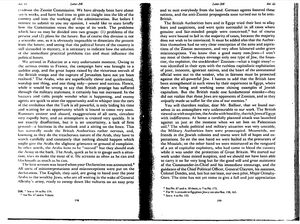
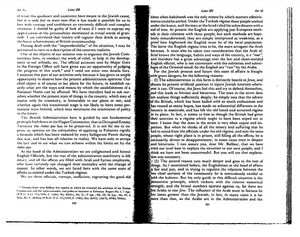
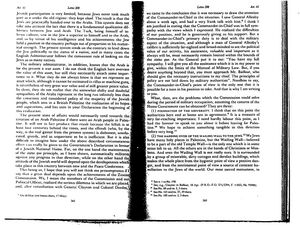
وعلى هذه النقطة الخلافية، غادر قطار بلفور متجهاً إلى فلسطين. وقد عولجت الرحلة ببعض التفصيل في مختلف الدراسات التاريخية، وأبرزهم "الحركة الوطنية الفلسطينية: 1917-1936" بقلم عادل غنيم. إلا أن التفصيل الكامل كما سجله الأهرام يستحق تمحيصاً دقيقاً.
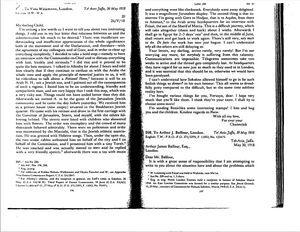
- رسالة من حاييم وايزمان إلى آرثر بلفور، 1918
-
-
-
-


وبينما كان القطار المقل لبلفور يتقدم نحو فلسطين، انهالت رسائل وتلغرافات الاحتجاجات على مكاتب الأهرام. كانت إحداها مرسلة بإسم الجالية السورية في مصر وتخاطب بلفور: "نحن ندين إعلانك الجائر. ولن نتخلى عن حقوقنا السليبة وسنواصل نضالنا للنهاية على أمل تحقيق طموحاتنا القومية." وكان التلغراف موقعاً من أكثر من 20 شخصاً، بينهم شكري القوتلي، الذي سيصبح لاحقاً رئيس جمهورية سوريا. وتلغراف آخر أرسلته الجالية الأردنية في مصر، مذكرة بلفور بأنه في طريقه إلى "البلد الذي دمر وعده المستهجن حريته"، مضيفاً أن وصول بلفور "سيزيد من تمسك الفلسطينيين ببلدهم."
إلا أنه لم تكن الاحتجاجات لتثني بلفور عن طريق المختار. وقد أوفد الأهرام مراسلاً آخر إلى القدس لتغطية تحركات اللورد البريطاني من وقت وصول قطاره إلى المدينة المقدسة. وكانت أولى زيارات بلفور الرسمية هي للمستوطنة الصهيونية "قارا Qara"، حيث اُستقبل بحفاوة." وبعد غداء هناك، ذهب بلفور وحاشيته إلى تل أبيب، "المدينة اليهودية العصرية المبنية بالقرب من يافا." ولدى وصوله، وجد الزائر الكبير "كل البيوت والمعاهد مزينة بالأعلام البريطانية والصهيونية، وحشود من الناس -- رجالاً ونساءً وطلاباً -- هرعوا لتحيته حاملين لافتات عليها صورته على أعناقهم." ويواصل مراسل الأهرام، "وقد تتطوعت قوة من 150 شاب يهودي لمساعدة الجيش والشرطة لحفظ النظام."
وفي تلك الأثناء، أعلنت المدارس في غزة وطولكرم وكلية المعلمين في القدس ومعاهد فلسطينية أخرى الإضراب احتجاجاً على زيارة بلفور "كما فعل الناس في جميع أرجاء البلد." وبلا شك، فقد كانت حكومة الانتداب البريطاني في فلسطين مستعدة للاضطرابات المحتملة، فقد أوردت الأهرام أن وزير الحربية البريطاني أعلن في مجلس العموم أن فوج فرسان مدرع أُرسل من مصر إلى فلسطين لإخماد أي اضطرابات.
وبعد ذلك بفترة وجيزة، أوردت الأهرام أن الحكومة المصرية تنوي إرسال أحمد لطفي السيد، مدير الجامعة المصرية، إلى فلسطين لحضور حفل افتتاح الجامعة العبرية. وقد فوجئ العديد بالرغم من صيحات الفلسطينيين في مصر، أن البروفسور وافق على الذهاب. وفي رسالة إلى الأهرام، احتج الشباب العربي بفلسطين على قبول أحمد لطفي السيد للدعوة لكونها طعنة في ظهر فلسطين العربية وناشدوا الحكومة المصرية أن تغير قرارها. وبشكل مماثل، أعرب الطلاب الفلسطينيون في جامعة الأزهر عن حزنهم لقرار الجامعة إرسال وفد إلى الافتتاح لأنه "سوف يمكن الصهاينة من استخدام اسم مصر لصالحهم." ومرة أخرى، سقطت الاحتجاجات الفلسطينية على آذان صماء، إذ ذهب مدير الجامعة المصرية إلى فلسطين لحضور افتتاح الجامعة العبرية في القدس، وهو الفعل الذي أبدى ندمه عليه لاحقاً.
وفي ذلك الحين في فلسطين، ذهب بلفور إلى مستوطنة يهودية أخرى، as obstinately deaf as ever to Arab and Palestinian grievances and apparently determined to be as provocative as possible. On one occasion he declared he was a close friend of Baron Rothschild and that "if he was not as old a Zionist as the Baron he was, nevertheless, one of the first Zionists." Elsewhere he remarked that his pledge to create a homeland for the Jews in Palestine was "not the plan of a specific person or nation, but rather an embodiment of the view of the greater body of nations that signed the Versailles Treaty and could, therefore, never by nullified."
Balfour spent two weeks in Palestine amidst general strikes and protests by Palestinians and jubilation by Zionists who renamed the street his car passed through in Tel Aviv after him. His last stop before leaving on 7 April was Haifa where "the entire city went on strike." Still, he was intent on visiting the Zionist quarter of the city and various Zionist institutions وتناول العشاء مع حاكم المدينة.
المرحلة التالية من جولة بلفور أخذته إلى سوريا، حيث سيقابل موقفاً مختلفاً تماماً. فسوريا لم تكن خاضعة لحكم الانتداب البريطاني المستعد دوماً لقمع مظاهرات الفلسطينيين. Fired up by its well-known Arab nationalist fervour, Syria was gearing itself for the Great Syrian Revolution that began later that year. And there would be no Zionists in Syria to welcome Balfour.
On the morning of 8 April, the private train carrying Balfour and his entourage set off from Haifa to Damascus amid tight security. "Government officials escorted Balfour to the train, which he boarded along with several British agents who were sent to ensure his safety. Although the British government had positioned police at the stations, this did not prevent villagers from shouting out protests and waving black banners as the train passed through."
كما أمـَّنت السلطات البريطانية اتفاقية من حكومة المحمية الفرنسية في سوريا لحماية بلفور أثناء زيارته. ولذلك، أمـَّنت السلطات الفرنسية في حوران ودرعا محطات السكة الحديد في تلك المناطق وقد ذهب القائد الفرنسي لشرطة دمشق إلى الحدود لتحية القطار. ويواصل الأهرام تقريره، "وعندما وصل القطار إلى درعا، كان المسئولون الفرنسيون مصطفين لاستقبال بلفور و دعوه وحاشيته إلى وجبة في مطعم المحطة، التي منع قومندان الشرطة دخول الناس إليها، وبعدها عاد بلفور للقطار في طريقه لدمشق."
Having sensed the unrest in the Syrian capital because of the impending visit of the author of the notorious declaration, French officials arranged for Balfour to get off the train at a station on the outskirts of the capital rather than in Damascus itself. On hand to greet him was the British consul and other consular officials who had arranged for a sufficient number of cars to transport the visitors. "The cars raced to the Victoria Hotel where private quarters had been set aside for Balfour's visit. They were heavily guarded by police and secret service agents. As no one had been informed of these plans, Balfour arrived without incident."
However, even as the British statesman was settling down in his room, "a crowd of men of all ages bearing black banners thronged to the Damascus train station. The police forces that had been stationed there prevented people from entering, while another contingent of police guards had been stationed on the platform. Just before the train was due to pull in it was learned that Balfour had gotten off the train in Al-Qadam station. The crowds subsequently rushed off to Victoria Hotel where guards prevented anyone from entering. تخلل المخبرون السريون الحشود، التي كانت تهتف ضد وعد بلفور وزيارة الرجل لعاصمة الأمويين وهتفوا "تحيا فلسطين". استمرت المظاهرة نحو ساعة، اتجه بعدها المتظاهرون إلى سوق الحميدية."
In the famous Damascus marketplace, hordes of people began to emerge from the streets and alleyways and began to converge on the Square of Martyrs. "At this point, the police began to intervene, blocking passage over the Barada Bridge in the face of angry, noisy crowds. Violent clashes broke out between the people and police, who took those whom they captured to the police station."
Al-Ahram's correspondent then relates that at about 11.00 that evening, after the crowds dispersed, Lord Balfour decided he would take a walk in the city but was dissuaded by the urgent appeals of the French police authorities. "He thus returned to his room as police and security forces patrolled the city and the site around the hotel throughout the night."
The following day saw further unrest. After noon prayers, Al-Ahram's correspondent reports, crowds rushed towards Victoria Hotel, "crashed the police barricades and almost reached the doors of the hotel." The reporter continues, "The gendarmes tried to block them and were finally forced to fire shots in the air. At 2.00pm, eight armoured vehicles were sent to restore order."
According to several news agencies, approximately 50 protesters were wounded, three in critical condition. Fifteen ended up in hospital. Two policemen were also injured while many suffered bruises and contusions. That no one was killed was undoubtedly due to the discipline and self-restraint of the French police who fired in the air despite the serious situation.
The following day, Al-Ahram's correspondent reports, aircraft flew over the city at an altitude of 150 metres while dozens of armoured vehicles and tanks were brought in. This time, protesters came up against French and Moroccan infantry and cavalry armed with swords. In the battle that ensued, most of the injuries among the demonstrators were sword wounds, while the injuries sustained by the French were inflicted by stones hurled by the protesters. During this fighting, Balfour made no attempt to leave his room. In his company were the correspondents from The London Times and The Daily Telegraph who dispatched to their newspapers detailed accounts of the clash that was taking place within earshot of the hotel.
Eventually, French forces moved into and occupied المرجة الخضراء وميدان الشهداء but French authorities knew this would be insufficient to restore calm to the Syrian capital. Thus, in a meeting with Lord Balfour and the British consul in Damascus, the French commanding general persuaded him to leave the city at once, having spent less than 24 hours in the historic Arab capital during which "he never once left his room."
In order to spirit the visiting British dignitary out of the city with the least disturbance possible, the French general devised a clever ploy. He stationed himself on a bridge near the hotel while airplanes swooped overhead, "thus distracting the people's attention." It was then that Balfour managed to leave the hotel without drawing attention, remarkable in view of the fact that his cortege was guarded by some 60 police and security officers. Simultaneously, government authorities in Damascus ordered sentinels to call all local elders to an assembly to instruct them to inform their various quarters in the city that Balfour had left.
ويبدو أن الوزير البريطاني السابق لم يستوعب الدرس، إذ حط أعينه على زيارة بيروت. إلا أنه حين وصل، تحت حراسة مشددة، في صوفر، قيل له أن العاصمة اللبنانية لن تفرد له استقبالاً رسمياً. فحسب صحيفة بيروتية، كانت محموعة من الطلبة ينظمون مظاهرات احتجاج واضراب عام في يوم وصول بلفور "تضامناً مع معاناة إخواننا الفلسطينيين."
ونتيجة لذلك، فقد قرر مسئولو الأمن المصاحبين لبلفور تغيير المسار. وبدلاً من الذهاب إلى بيروت من دمشق، انحرف الركب شمالاً، ملتفاً حول المدينة ليذهب مباشرة الميناء حيث اُصطحِب بلفور من الرصيف إلى الباخرة الفرنسية، لو سفنكس، تحت حماية قوات الحكومة.
وبذلك فقد استطلع بلفور بعضاً من أثر وعده. وحين رست سفينته في الإسكندرية، رفض النزول مع باقي الركاب. ولاحقاً في نفس اليوم، بطلب من الجالية البريطانية، أُقنِع بحضور حفل على شرفه في فندق كلاريدج، عاد على إثره إلى السفينة.
وفي تحليله لجولة بلفور، علق الأهرام أنها "أججت غضب المشرقيين في كل مكان وطأته قدم صاحب الوعد الآثم. وهو الأمر الذي ترك، بلا شك، أثراً في ذهن اللورد بلفور."
عشرون عاماً زعيماً للمحافظين
تزعم بلفور حزب المحافظين لأكثر من عشرين عاماً، وشغل منصب رئيس مجلس اللوردات لمدة خمس سنوات من 1924 - 1929. وتوفي بلفور عن عمر يناهز الـ 82 عاماً.
حياته الشخصية
لم يتزوج آرثر بلفور بسبب موت الفتاه التي احبها
الهامش
- ^ "Balfour, Arthur James". Oxford Dictionaries. Archived from the original on 27 June 2015.
- ^ "Balfour Declaration | History & Impact | Britannica". Britannica.com. Retrieved 8 March 2024.
- ^ Carola Oman, The Gascoyne Heiress: The Life and Diaries of Frances Mary Gascoyne-Cecil 1802–39. Hodder & Stoughton 1968. p. n1.
- ^ Chisholm 1911, p. 250.
- ^ أ ب Tuchman, Barbara (1966). The Proud Tower. Macmillan. p. 46.
- ^ خطأ استشهاد: وسم
<ref>غير صحيح؛ لا نص تم توفيره للمراجع المسماةodnb - ^ "Balfour, Arthur (BLFR866AJ)". A Cambridge Alumni Database. University of Cambridge.
- ^ "Obituary: Lord Balfour". The Times. No. 45466. London. 21 March 1930. pp. 9–10.
- ^ أ ب ت Adams, Ralph James Q. (2007). Balfour: The Last Grandee. John Murray. ISBN 978-0-7195-5424-7.
- ^ Oppenheim, Janet (1988). The Other World: Spiritualism and Psychical Research in England, 1850–1914. Cambridge University Press. pp. 132–133. ISBN 978-0-521-34767-9.
- ^ أ ب Wilson, A. N. (2011). The Victorians. Random House. p. 530. ISBN 978-1-4464-9320-5.
- ^ Sargent, John Singer (February 2010) [1899]. "The Wyndham Sisters: Lady Elcho, Mrs. Adeane, and Mrs. Tennant". The Metropolitan Museum of Art. Retrieved 4 June 2012.
- ^ Mackay, Ruddock F. (1985). Balfour, Intellectual Statesman. Oxford University Press. pp. 8-9. ISBN 978-0-19-212245-2.
- ^ Moya Tönnies. Colonial Diplomacy through Art. Jerusalem 1918–1926. Leiden: Brill, 2024, 56–62.
- ^ "Esmat Elhalaby". تويتر.
- ^ يونان لبيب رزق (2000-10-26). "A Balfour curse". الأهرام ويكلي.
وصلات خارجية
- More about Arthur James Balfour on the Downing Street website.

.svg&filetimestamp=20110711203324&)


- Short description is different from Wikidata
- Articles with hatnote templates targeting a nonexistent page
- Missing redirects
- مواليد 1848
- وفيات 1930
- رؤساء وزارة بريطانيا
- أشخاص من شرق لوثيان
- أشخاص من العصر الڤيكتوري
- أشخاص من العصر الإدواردي
- Old Etonians
- زعماء حزب المحافظين (المملكة المتحدة)
- وزراء الدولة البريطانيون للشئون الخارجية
- وزراء خارجية اسكتلندة
- اللوردات الرؤساء للمجلس
- لوردات الأميرالية
- اللوردات حملة ختم الخاصة الملكية
- مستشارو جامعة كمبردج
- مستشارو جامعة إدنبرة
- قيمو جامعة سانت أندروز
- قيمو جامعة گلاسگو
- رؤساء وزراء من حزب المحافظين (المملكة المتحدة)
- رؤساء وزراء المملكة المتحدة 1874–1880
- رؤساء وزراء المملكة المتحدة 1880–1885
- رؤساء وزراء المملكة المتحدة 1885–1886
- رؤساء وزراء المملكة المتحدة 1886–1892
- رؤساء وزراء المملكة المتحدة 1892–1895
- رؤساء وزراء المملكة المتحدة 1895–1900
- رؤساء وزراء المملكة المتحدة 1900–1906
- رؤساء وزراء المملكة المتحدة 1906–1910
- رؤساء وزراء المملكة المتحدة 1910
- رؤساء وزراء المملكة المتحدة 1910–1918
- رؤساء وزراء المملكة المتحدة 1918–1922
- أعضاء برلمان المملكة المتحدة عن دوائر إنگليزية
- أعضاء مجلس الخاصة لأيرلندا
- أعضاء مجلس الخاصة الملكية بالمملكة المتحدة
- أنگلو-اسكتلنديون
- إنگليز من أصل اسكتلندي
- فلاسفة مسيحيون
- Deputy Lieutenants
- Earls in the Peerage of the United Kingdom
- تصنيف:أعضاء مرتبة الاستحقاق
- Scottish Presbyterians
- British Anglicans
- كتاب اسكتلنديون
- خريجو جامعة كمبردج
- فرسان الوشاح
- زملاء الجمعية الملكية
- قادة مجلس العموم
- محاضرو گيفورد