موراڤيا
Moravia
Morava | |
|---|---|
   .jpg&filetimestamp=20260806125941&)
| |
 Flag  الدرع | |
 Moravia (green) overlapped with the current regions of the Czech Republic | |
 موقع موراڤيا في الاتحاد الأوروپي | |
| الإحداثيات: 49°30′N 17°00′E / 49.5°N 17°E | |
| Country | جمهورية التشيك |
| أول ذِكر | 822[1][2] |
| اِستُجمِعَت | 833[3] |
| العاصمة السابقة | Brno (1641–1948)[4] Brno, Olomouc (until 1641), Velingrad (9th century) |
| Major cities | Brno, Ostrava, Olomouc, Zlín, Jihlava, Znojmo |
| المساحة | |
• الإجمالي | 22٬348٫87 كم² (8٬628٫95 ميل²) |
| التعداد | |
• الإجمالي | 3٬000٬000 |
| • الكثافة | 130/km2 (350/sq mi) |
| صفة المواطن | Moravian |
| منطقة التوقيت | UTC+1 (CET) |
| • الصيف (التوقيت الصيفي) | UTC+2 (CEST) |
| Primary airport | Brno-Tuřany Airport |
| Highways |        |
موراڤيا (Moravia[أ] (تشيكية: Morava [ˈmorava] استمع ؛ ألمانية: Mähren) هي منطقة تاريخية ذات طبيعة جبلية مرتفعة تقع شرقي جمهورية التشيك. أخذت اسمها من نهر مورافا الذي يمر في أراضيها.
موراڤيا Moravia (بالتشيكية والسلوفاكية Morava) منطقة تقع في شرقي الجمهورية التشيكية، بين منطقة بوهيميا وجمهورية سلوفاكيا، وتشكل مساحتها التي تبلغ 26094كم2 ثلث مساحة البلاد، وبلغ عدد سكانها 4022669 نسمة في عام 2003 (40% من سكان جمهورية التشيك). المنطقة ذات طبيعة جبلية متوسطة الارتفاع (700م وسطياً) وقد أخذت اسمها من نهر مورافا Morava الذي يعبر أراضيها، وتتطابق منطقة مورافيا مع الشبكة المائية (الهيدروغرافية) التي يشكلها نهر مورافا وروافده الرئيسية: السيراتكا Syratka والديج Dyje. يحدها من الشمال بولندا ومنطقة سيليزيا ومن الجنوب النمسا ومن غربها منطقة بوهيميا وشرقها سلوفاكيا، وتشكل جبال السوديت والكاربات حدوداً طبيعية للمنطقة. كما يشكل نهر ثايا Thaya المتعرج، أحد روافد المورافا، الحدود الطبيعية الجنوبية مع النمسا.
موراڤيا ليست مقاطعة إدارية نتجت من التقسيم الإداري؛ وإنما هي منطقة تاريخية معروفة، وهي تنقسم إلى قسمين: موراڤيا الشمالية ومركزها مدينة اوستراڤا Ostrava وموراڤيا الجنوبية ومركزها مدينة برنو Brno وهي العاصمة التاريخية لموراڤيا.

الجغرافيا
يحدها من الشمال بولندة ومنطقة سيليزيا ومن الجنوب النمسا ومن غربها منطقة بوهيميا وشرقها سلوفاكيا. تشكل جبال السوديت والكاربات حدودا طبيعية للمنطقة. نهر ثايا المتعرج أحد روافد المورافا يشكل بشكل متقطع الحدود الطبيعية جنوبا مع النمسا. مورافيا ليست تقسيما إداريا وإنما منطقة تاريخية تضم العديد من المحافظات كمحافظة مورافيا الجنوبية ومحافظة زلن وأجزاء من المحافظة المورافية السيليزية ومحافظة أولوموتس ومحافظة فيسوكينا ومحافظة بوهيميا الجنوبية ومحافظة برادوبتس
أهم مدن منطقة مورافيا هي اوسترافا وأولوموتس وبرنو. يقوم اقتصاد المنطقة على استخراج النفط والفحم والحديد من منطقة الحوض الفيني (نسبة إلى فينا) وصناعة الجلود والصناعات الكيماوية وصناعة مواد البناء. أغلب سكان المنطقة سلافيون يتحدثون التشيكية بلهجات مختلفة. بعض الموراڤيين يعتبرون أنفسهم تركيبة عرقية مختلفة عن التشيك بينما البعض الآخر يعتبرون أنفسهم تشيكيين. في إحصائية عام 1991 كان هناك 1.362 مليون شخص كان يعتبرون أنفسهم مورافيين أما في إحصائية عام 2001 فقد نقص العدد إلى 380 ألف نسمة.
التاريخ
قبل التاريخ


Evidence of the presence of members of the human genus, Homo, dates back more than 600,000 years in the paleontological area of Stránská skála.[9]
Attracted by suitable living conditions, early modern humans had settled in the region by the Paleolithic period. The Předmostí archeological (Cro-Magnon) site in Moravia is dated to between 27,000 and 24,000 years old.[10][11] Caves in Moravian Karst were used by mammoth hunters. Venus of Dolní Věstonice, the oldest ceramic figure in the world,[12][13] was found in the excavation of Dolní Věstonice by Karel Absolon.[14] In November 2024 a new discovery was made on the outskirts of Brno, where bones of at least three mammoths were found along with other animals and human stone tools dating back 15,000 years.[15]
العصر البرونزي
During the Bronze Age, people of various cultures settled in Moravia. Notably the Nitra culture which emerged from the tradition of the Neolithic Corded Ware culture and was spread in western Slovakia (hence the name, derived from Slovak river Nitra), eastern Moravia and southern Poland. The largest burial site (400 graves) of Nitra culture in Moravia was discovered in Holešov in the 1960s.[16] The most recent discovery unearthed two settlements and two burial grounds (with total 130 graves) near Olomouc, one of them of the Nitra culture dating between the years 2100–1800 BC and was published in October 2024.[17] This discovery adds to other Bronze Age discoveries, such as a sword found near the city of Přerov, dubbed ‘the Excalibur of the Late Bronze Age’.[18]
العصر الروماني
Around 60 BC, the Celtic Volcae people withdrew from the region and were succeeded by the Germanic Quadi. Some of the events of the Marcomannic Wars took place in Moravia in AD 169–180. After the war exposed the weakness of Rome's northern frontier, half of the Roman legions (16 out of 33) were stationed along the Danube. In response to increasing numbers of Germanic settlers in frontier regions like Pannonia, Dacia, Rome established two new frontier provinces on the left shore of the Danube, Marcomannia and Sarmatia, including today's Moravia and western Slovakia.
In the 2nd century AD, a Roman fortress[19][20] stood on the vineyards hill known as ألمانية: Burgstall and تشيكية: Hradisko ("hillfort"), situated above the former village Mušov and above today's beach resort at Pasohlávky. During the reign of the Emperor Marcus Aurelius, the 10th Legion was assigned to control the Germanic tribes who had been defeated in the Marcomannic Wars.[21] In 1927, the archeologist Gnirs, with the support of president Tomáš Garrigue Masaryk, began research on the site, located 80 km from Vindobona and 22 km to the south of Brno. The researchers found remnants of two masonry buildings, a praetorium[22] and a balneum ("bath"), including a hypocaustum. The discovery of bricks with the stamp of the Legio X Gemina and coins from the period of the emperors Antoninus Pius, Marcus Aurelius and Commodus facilitated dating of the locality.
موراڤيا القديمة


استوطن المنطقة الموراڤيون في نهاية القرن السادس الميلادي، وهم شعب سلافي استطاع مقاومة هجمات المغول على أوربا الوسطى منذ منتصف القرن السادس، وساعدهم على ذلك الملك شارلمان ثم التحقوا بمملكته. وفي عام 830، أسس الملك مويمير Mojmír مملكة موراڤيا العظمى، وهو زعيم إحدى القبائل السلافية الموراڤية، وفي عهد روستيسلاف Rostislav ت(846-870م) بدأ تحول المنطقة إلى الدين المسيحي على يد القديس سيريل Cyrille (أو فيلسوف سالونيك) وأخيه ميتود Méthode، الذي أصبح فيما بعد بطريرك موراڤيا. لكن الديانة المسيحية لم تنتشر تماماً إلا في عهد خلفه سڤاتوپلوك الأول Svatopluk الذي حكم في الفترة 870-894م والذي وسع مملكته لتشمل إمارة بوهيميا Bohemia وسلوڤاكيا الغربية، وبعد موته بقليل تجزأت المملكة بين أبنائه، ولم تلبث أن انهارت أمام هجمات قبائل المجر Majyar في عام 906.
الاتحاد مع بوهيميا
ثم عادت واتحدت مع بوهيميا من جديد في عام 1029.
-
 Bohemia and Moravia in the 12th century
 -
 Church of St. Thomas in Brno, mausoleum of Moravian branch House of Luxembourg, rulers of Moravia; and the old governor's palace, a former Augustinian abbey
 -
 12th century Romanesque St. Procopius Basilica in Třebíč
 -
![The Moravian banner of arms, which first appeared in the medieval era[23][24]](/w/images/thumb/0/01/Moravsk%C3%A1_orlice.jpg/200px-Moravsk%C3%A1_orlice.jpg)


![The Moravian banner of arms, which first appeared in the medieval era[23][24]](/w/index.php?title=%D9%85%D9%84%D9%81:Moravsk%C3%A1_orlice.jpg&filetimestamp=20260806130940&)
حكم هابسبورگ (1526–1918)
ورزحتا سوية تحت حكم عائلة هابسبورگ النمساوية Habsbourg في عام 1526. In 1740, Moravia was invaded by Prussian forces under Frederick the Great, and Olomouc was forced to surrender on 27 December 1741. A few months later, the Prussians were repelled, mainly because of their unsuccessful siege of Brno in 1742. In 1758, Olomouc was besieged by Prussians again, but this time its defenders forced the Prussians to withdraw following the Battle of Domstadtl. In 1777, a new Moravian bishopric was established in Brno, and the Olomouc bishopric was elevated to an archbishopric.[25] In 1782, the Margraviate of Moravia was merged with Austrian Silesia into Moravia-Silesia, with Brno as its capital.
-

-
 Administrative division of Moravia as crown land of Austria in 1893


القرن العشرون

ثم تمكنت من الانفصال عن التاج النمساوي إثر ثورة 1848، لتصبح بعد ذلك جزءاً من تشيكوسلوڤاكيا التي تأسست في عام 1918. وفي ديسمبر 1993 انقسمت تشيكوسلوڤاكيا إلى دولتين مستقلتين: جمهورية سلوڤاكيا والجمهورية التشيكية. وتتكون هذه الأخيرة من منطقتي بوهيميا وموراڤيا اللتين يختلط تاريخهما ببعضه بعض منذ القرن التاسع.
-
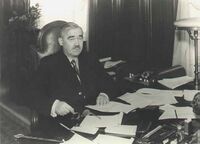 Jan Černý, president of Moravia in 1922–1926, later also Prime Minister of Czechoslovakia
 -
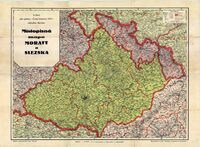 A general map of Moravia in the 1920s
 -
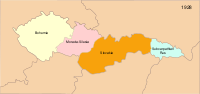 In 1928, Moravia was merged into Moravia-Silesia, one of four lands of Czechoslovakia, together with Bohemia, Slovakia and Subcarpathian Rus.


السكان
أغلب سكان المنطقة سلاڤيون يتحدثون التشيكية بلهجات مختلفة. ويعدّ بعض الموراڤيين أنفسهم تركيبة عرقية مختلفة عن التشيك، أمّا بعضهم الآخر فيعدون أنفسهم تشيكيين. ففي تعداد عام 1991 كان هناك 1.362 مليون شخص كانوا يعدون أنفسهم موراڤيين، أما في تعداد عام 2001 فقد نقص هذا العدد إلى 380 ألف نسمة.
الاقتصاد
أهم مدن منطقة موراڤيا هي برنو (379185 نسمة) وأوسترافا (319293 نسمة) وأولوموك Olomouc ن(103293 نسمة) لعام 2001، وتعدّ برنو العاصمة التاريخية للمنطقة، وهي المدينة الثانية من الناحية السكانية والاقتصادية بعد براغ (1.179 مليون نسمة لعام 2001)، وكانت في الماضي أكبر مركز للصناعات النسيجية في أوربا. وقد ساعدت طبيعة المنطقة التضاريسية على سهولة حركة المواصلات بين المدن؛ مما خلق شبكة عمرانية تتميز بالعلاقات الكثيفة بين مدنها.
أكثر من 60% من مساحة موراڤيا مستغلة زراعياً بفضل الترب الخصبة في المناطق السهلية والحوضات التي تتكون من اللحقيات؛ مما سمح بنشوء زراعة مكثفة تعتمد على الحبوب والشوندر السكري والنباتات النسيجية والزيتية والأشجار المثمرة التي يساعد على نموها طقس الإقليم المشمس، وخاصة في موراڤيا الجنوبية، كما تشتهر بكرومها؛ مما جعلها منطقة عريقة بصناعة النبيذ، وقبلة السائحين في أوربا الوسطى، كما شجع انتشار الغابات في المناطق المرتفعة من المنطقة على ازدهار صناعة الأخشاب والورق، التي تنتشر معاملها في جميع مناطق الإقليم الجبلية.
يقوم اقتصاد المنطقة على استخراج النفط والفحم والحديد من منطقة الحوض الڤييني (نسبة إلى ڤيينا) وصناعة الجلود والصناعات الكيمياوية وصناعة مواد البناء، وهي تنتج الفحم الحجري والفحم البني الذي يعد من أهم موارد المنطقة المعدنية. أهم الصناعات: الحديد والصلب، المركبات، المواد الغذائية، المنسوجات، الزجاج والكريستال والصناعات الكيمياوية.
وتتميز المنطقة بكثافة الطرق وبشبكة كثيفة للسكة الحديدية إضافة إلى مطارين دوليين من أصل المطارات الأربعة الموجودة في جمهورية التشيك: الأول في برنو والآخر في أوسترافا.
An area in South Moravia, around Hodonín and Břeclav, is part of the Viennese Basin. Petroleum and lignite are found there in abundance. The main economic centres of Moravia are Brno, Olomouc, Zlín, and Ostrava lying directly on the Moravian–Silesian border. As well as agriculture in general, Moravia is noted for its viticulture; it contains 94% of the Czech Republic's vineyards and is at the centre of the country's wine industry. Wallachia has at least a 400-year-old tradition of slivovitz making.[26]
The Czech automotive industry also played a significant role in Moravia's economy in the 20th century; the factories of Wikov in Prostějov and Tatra in Kopřivnice produced many automobiles.
Moravia is also the centre of the Czech firearm industry, as the vast majority of Czech firearms manufacturers (e.g. CZUB, Zbrojovka Brno, Czech Small Arms, Czech Weapons, ZVI, Great Gun) are found in Moravia. Almost all the well-known Czech sporting, self-defence, military, and hunting firearms are made in Moravia. Meopta rifle scopes are of Moravian origin. The original Bren gun was conceived here, as were the assault rifles the CZ-805 BREN and Sa vz. 58, and the handguns CZ 75 and ZVI Kevin (also known as the "Micro Desert Eagle").
The Zlín Region hosts several aircraft manufacturers, namely Let Kunovice (also known as Aircraft Industries, a.s.), ZLIN AIRCRAFT a.s. Otrokovice (formerly known under the name Moravan Otrokovice), Evektor-Aerotechnik, and Czech Sport Aircraft. Sport aircraft are also manufactured in Jihlava by Jihlavan Airplanes/Skyleader.
Aircraft production in the region started in the 1930s; after a period of low production post-1989, there have been signs of recovery post-2010, and production is expected to grow from 2013 onwards.[27]
Companies with operations in Brno include Gen Digital, which maintains one of its headquarters there and continues to use the brand AVG Technologies,[28] as well as Kyndryl (Client Innovation Centre),[29][30] AT&T, and Honeywell (Global Design Center).[31] Other significant companies include Siemens,[32] Red Hat (Czech headquarters),[33] and an office of Zebra Technologies.[34]
In recent years, Brno's economy has seen growth in the quaternary sector, focusing on science, research, and education. Notable projects include AdMaS (Advanced Materials, Structures, and Technologies) and CETOCOEN (Center for Research on Toxic Substances in the Environment).[35]
-
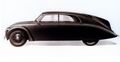 The Tatra 77 (1934)
 -
 WIKOV Supersport (1931)
 -
 Thonet No. 14 chair
 -
 The speed train Tatra M 290.0 Slovenská strela 1936
 -
 Zlín XIII aircraft on display at the National Technical Museum in Prague
 -
 Zetor 25A tractor
 -
 Electron microscope Brno
 -
 Aeroplane L 410 NG by Let Kunovice
 -
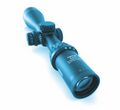 Precise rifle scope by MeOpta
 -
 The (modern) BREN gun M 2 11
 -
 The modern EVO 2 tram
 -
 Diesel railway coach class Bfhpvee295


.jpg&filetimestamp=20260806134840&)

.jpg&filetimestamp=20260806132910&)


.jpg&filetimestamp=20260806132853&)
.jpg&filetimestamp=20260806132901&)
صناعة الماكينات
The machinery industry has been the most important industrial sector in the region, especially in South Moravia, for many decades. The main centres of machinery production are Brno (Zbrojovka Brno, Zetor, První brněnská strojírna, Siemens), Blansko (ČKD Blansko, Metra), Kuřim (TOS Kuřim), Boskovice (Minerva, Novibra) and Břeclav (Otis Elevator Company). A number of other, smaller machinery and machine parts factories, companies, and workshops are spread over Moravia.
الصناعات الكهربائية
The beginnings of the electrical industry in Moravia date back to 1918. The biggest centres of electrical production are Brno (VUES, ZPA Brno, EM Brno), Drásov, Frenštát pod Radhoštěm, and Mohelnice (currently Siemens).
أشهر أبناء موراڤيا
- كارل كريل (1944–1994) popular musician and songwriter, also critic of the communism in Czechoslovakia
- أنطون پلگرام (1450–1516), architect, sculptor and woodcarver
- Jan Ámos Komenský (Comenius) (1592–1670), educator and theologian, last bishop of Unity of the Brethren
- Matyáš František Chorinský z Ledské, Count of Chorinsky Baron of Ledske (1720–1786), first bishop and founder of the Brno diocese[36]
- Georgius Prochaska (1749–1820), ophthalmologist and physiologist
- František Palacký (1798–1876), historian and politician, "The Father of the Nation"
- Heinrich Wilhelm Ernst (1814–1865), violinist
- إرنست ماخ (1838–1916), physicist and philosopher
- توماش گاريگ مساريك (1850–1937)، فيلسوف وسياسي، وأول رئيس لتشيكوسلوڤاكيا
- Leoš Janáček (1854–1928), composer
- سيگموند فرويد (1856–1939)، أبو التحليل النفسي
- Stefan von Haschenperg, (floruit 1540s)، مهندس عسكري في إنگلترة.
- إدموند هوسرل (1859–1938)، فيلسوف
- Alfons Mucha (1860–1939), painter
- Jan "Eskymo" Welzl (1868–1948), globetrotter and gold-digger, chief of the Siberian Eskimos
- كارل رنر (1870–1950), politician, co-founder of Friends of Nature movement
- توماش باتا (1876–1932) مبادر، ومؤسس شركة باتا للأحذية
- جوسف شومپيتر (1883–1950)، اقتصادي وعالم سياسي
- Adolf Loos (1870–1933), architect, author of essay Ornament and Crime
- لودڤيك سڤوبودا (1895–1979)، جنرال الفيلق الأول في الجيش التشيكوسلوڤاكي، وسابع رئيس لتشيكوسلوڤاكيا
- جورج پلاتشك (1905–1955)، فيزيائي شارك في مشروع منهاتن
- كورت گودل (1906–1978)، عالم رياضيات نظرية
- اوسكار شندلر (1908–1974), رجل أعمال مبادر، اشتهر بانقاذه نحو 1,200 يهودي أثناء ح.ع.2.
- Milan Kundera (1929–), writer
- Peter Sís (1949–), illustrator, animator and writer
- Magdalena Kožená (1973–), mezzo-soprano
- Otakar Borůvka (1899–1995), mathematician, publisher of Borůvka's algorithm in 1926
- Miroslav Donutil (1951-), is a theatrical, film and television actor, born in Třebíč
- Bolek Polívka (1949-), is a film and theatre actor, mime, playwright and screenwriter, born in Vizovice
- Dagmar Havlová (1953-), is an actress and former First Lady of the Czech republic (1997–2003), born in برنو
- Miroslav Tichý (1926–2011), was a photographer who from the 1960s to 1985 took thousands of surreptitious pictures of women in his hometown of Kyjov, using homemade cameras constructed of cardboard tubes, tin cans and other at-hand material
- Karel Abraham (1990–), is a motorcycle racer, he was born in برنو
- جون أموس كومنيوس (1592–1670), founder of modern education
- هنري كولكا (1900–1971),architect, partner of Adolf Loos - founder of modernism in New Zealand
- يوسف هوفمان (1870–1956), World known architect
- إرنست توگندات (1930-), Czech (Moravian) born German Philosopher, Jewish origin
- Erich Wolfgang Korngold (1897–1957), Austro-Moravian film and romantic music composer
- Marie Jeritza (1887–1982), celebrated Moravian soprano
- František Vláčil (1924–1999), Czech best film director
- Bohumil Hrabal (1914–1997), Czech-Moravian writer
- إيڤان لندل (1960-), لاعب تنس محترف، احتل الترتيب الأول على العالم لفترة
- Leon Koudelak (1961-), Guitar virtuoso, enter the Ranker list as world most famouse classical guitarist of all time.
- Emil Zátopek (1922–2000), Czech-Moravian runner-hero of Helsinky Olympic games
- Petra Kvitová (1990-), Profesional tennis player - Wimbledon champion 2011
- گريگور مندل (1822–1884), Czech-German scientist – augustinian abbot, founder of genetics
- الكاردينال توماشك (1899–1992)، كبير أساقفة پراگ، بطل الثورة المخملية في پراگ
- Rudolf Firkušný (1912–1994), Czech-born, American World respected pianist
- Hugo Haas (1901–1968), Czech film actor, dierector and writer active in Hollywood also
- Jobst of Moravia (Jodok of Luxemburg) (1351–1411), King of Holly Roman Empire, margrave of Moravia
- Robert Musil (1880–1942), German Word generally considered novelist
- Roman Jacobson (1896-1882), most influential linguists of the 20.century
- فرانز الأول من ليختنشتاين (1853–1938), Former reigning Prince of Liechtenstein
- فرانسيس يوسف الثاني (1906–1989), Former reigning Prince of Liechtenstein
المعالم
.jpg&filetimestamp=20260806132837&)

مواقع التراث العالمي
- Gardens and Castle at Kroměříž
- Historic Centre of Telč
- Holy Trinity Column in Olomouc
- Jewish Quarter and St Procopius' Basilica in Třebíč
- Lednice-Valtice Cultural Landscape
- Pilgrimage Church of St John of Nepomuk at Zelená Hora
- Tugendhat Villa in Brno
القلاع والشاتو
Moravia is noted for its concentration of castles and chateaux, several of which are linked by the Moravian Heritage Route.[37]
- Pernštejn Castle, a Gothic-Renaissance castle near Nedvědice, founded ح. 1270–1285 by the Lords of Medlov[38]
- Bouzov Castle, a neo-Gothic castle in the Olomouc Region first mentioned in 1317 and rebuilt in its present form in the late 19th century for the Teutonic Order[39]
- Buchlov, a royal castle in the Chřiby mountains in the Zlín Region, founded in the first half of the 13th century[40]
- Vranov nad Dyjí Castle, a Baroque château above the Thaya river near the Austrian border[41]
الطبيعة والكهوف
- Moravian Karst, a protected landscape area north of Brno with roughly 1,100 caverns and gorges across some 92 km2, of which five cave systems are open to the public, including the Punkva Caves[42]
- Macocha Gorge, a sinkhole in the Moravian Karst 138.5 m deep, the deepest of its kind in Central Europe[43]
- Podyjí National Park, one of the Czech Republic's four national parks, protecting near-natural forest along the Thaya river valley and adjoining Austria's Thayatal National Park[44]
- Pálava Protected Landscape Area, a UNESCO biosphere reserve on the Austrian border, whose highest point is Děvín at 550 m[45]
- Hranice Abyss, the deepest known underwater cave in the world
انظر أيضاً
- موراڤيا العظمى
- German South Moravia
- Haná Region
- والاخيا الموراڤية
- سلوڤاكيا الموراڤية
- Moravian Highlands
- الكنيسة الموراڤية/ Unitas Fratrum
- Moravian traditional music
- جامعة أولوموتس
- Moravia High Jump Tour
ملاحظات
الهامش
- ^ Royal Frankish Annals (year 822), pp. 111–112.
- ^ Morava, Iniciativa Naša. "Fakta o Moravě – Naša Morava".
- ^ Bowlus, Charles R. (2009). "Nitra: when did it become a part of the Moravian realm? Evidence in the Frankish sources". Early Medieval Europe. 17 (3): 311–328. doi:10.1111/j.1468-0254.2009.00279.x. S2CID 161655879.
- ^ "Encyklopedie dějin města Brna". 2004.
- ^ "Population of Municipalities – 1 January 2024". Czech Statistical Office. 2024-05-17.
- ^ "Moravia". Lexico UK English Dictionary. Oxford University Press. Archived from the original on 2020-03-22.; "Moravia". Merriam-Webster.com Dictionary. Merriam-Webster. OCLC 1032680871. Retrieved 22 August 2019.
- ^ أ ب "Moravia". Collins English Dictionary. HarperCollins. Retrieved 22 August 2019.
- ^ "Moravia". The American Heritage Dictionary of the English Language (5th ed.). HarperCollins. Retrieved 22 August 2019.
- ^ خطأ استشهاد: وسم
<ref>غير صحيح؛ لا نص تم توفيره للمراجع المسماةanton - ^ خطأ استشهاد: وسم
<ref>غير صحيح؛ لا نص تم توفيره للمراجع المسماةVelemínskáa08 - ^ خطأ استشهاد: وسم
<ref>غير صحيح؛ لا نص تم توفيره للمراجع المسماةpreddog - ^ Jonathan Jones: Carl Andre on notoriety and a 26,000-year-old portrait – the week in art. The Guardian 25 January 2013
- ^ "Dolni Vestonice and Pavlov sites". www.donsmaps.com.
- ^ "Oldest homes were made of mammoth bone". The Times. 2005-08-29.
- ^ "Skeletal remains of three mammoths discovered in Brno city centre". Radio Prague International (in الإنجليزية). 2024-11-11. Retrieved 2024-11-19.
- ^ Kaňáková, Ludmila; Bátora, Jozef; Nosek, Vojtěch (February 2020). "Use-wear and ballistic analysis of arrowheads from the burial ground of Nitra culture in Holešov–Zdražilovska, Moravia". Journal of Archaeological Science. 29. Bibcode:2020JArSR..29j2126K. doi:10.1016/j.jasrep.2019.102126. Retrieved 9 November 2024.
- ^ Fraňková, Ruth (2026-01-25). "Archaeologists discover unique Early Bronze Age burial site near Olomouc". Radio Prague International (in الإنجليزية). Retrieved 2024-10-30.
- ^ Bate, Danny; Kratochvílová, Lenka (2024-10-25). "Moravia's Excalibur: Bronze-Age sword unearthed near Přerov". Radio Prague International (in الإنجليزية). Český rozhlas Olomouc. Retrieved 2026-01-25.
- ^ "Detašované pracoviště Dolní Dunajovice – Hradisko u Mušova". www.marcomannia.cz.
- ^ "Opevnění – Detašované pracoviště Dolní Dunajovice, AÚ AV ČR Brno, v. v. i." www.marcomannia.cz.
- ^ Hanel, Norbert; Cerdán, Ángel Morillo; Hernández, Esperanza Martín (1 January 2009). Limes XX: Estudios sobre la frontera romana (Roman frontier studies). Editorial CSIC – CSIC Press. ISBN 9788400088545 – via Google Books.
- ^ "Lázeňská a obytná budova – Detašované pracoviště Dolní Dunajovice, AÚ AV ČR Brno, v. v. i." www.marcomannia.cz.
- ^ (2013) "Odborné vexilologické stanovisko k moravské vlajce".: 3319, 3320, Brno: Česká vexilologická společnost.
- ^ Pícha, František (2013). "Znaky a prapory v kronice Ottokara Štýrského".: 3320–3324, Brno: Česká vexilologická společnost.
- ^ "CATHOLIC ENCYCLOPEDIA: Moravia". www.newadvent.org.
- ^ "Jelínek's 400-Year Tradition of Making Slivovitz Bears Fruit in the U.S." OU Kosher Certification (in الإنجليزية). 5 October 2010.
- ^ "Leteckou výrobu v Česku čeká v roce 2013 růst. Pomůže modernizace L-410 (Czech aircraft production expected to grow in 2013)". Hospodářské noviny IHNED, byznys.ihned.cz. 2012. ISSN 1213-7693.
- ^ "AVG Antivirus and Security Software – Contact us". www.avg.com. Retrieved 4 October 2011.
- ^ "Kyndryl Client Center, s.r.o." Faculty of Information Technology, Brno University of Technology (in الإنجليزية). Retrieved 2024-01-31.
- ^ "IBM Governmental Programs – Delivery Centre Central Eastern Europe in Brno". IBM. Retrieved 4 October 2011.
- ^ "Honeywell Global Design Center Brno". Honeywell Czech Republic. Archived from the original on 13 September 2011. Retrieved 4 October 2011.
- ^ "Brno". Siemens (in التشيكية). Archived from the original on 25 April 2012. Retrieved 4 October 2011.
- ^ "Red Hat Europe". www.europe.redhat.com. Retrieved 4 October 2011.
- ^ "MOTOROLA – Technology Park Brno". www.technologypark.cz. Archived from the original on 19 May 2012. Retrieved 4 October 2011.
- ^ "O projektu". Masarykova univerzita, MUNI | RECETOX (in التشيكية). Retrieved 2024-01-31.
- ^ Neues Preussisches Adels-Lexicon, Gebrüder Reichenbach, 1836-1843, Leipzig. (German)
- ^ Rail, Evan (23 September 2011). "The Castles of Moravia". The New York Times. Retrieved 19 July 2026.
- ^ "State Castle Pernštejn". South Moravia. South Moravian Region tourism board. Retrieved 19 July 2026.
- ^ "Bouzov Castle". VisitCzechia. CzechTourism. Retrieved 19 July 2026.
- ^ "Zámek Buchlovice". Národní památkový ústav (National Heritage Institute). Retrieved 19 July 2026.
- ^ "State Chateau Vranov nad Dyjí". South Moravia. South Moravian Region tourism board. Retrieved 19 July 2026.
- ^ "The Moravian Karst Protected Landscape Area". South Moravia. South Moravian Region tourism board. Retrieved 19 July 2026.
- ^ "Discovering Punkva Caves and Macocha Abyss in Moravia, Czech Republic". VisitCzechia. CzechTourism. Retrieved 19 July 2026.
- ^ "Nature and Management". Správa národního parku Podyjí (Podyjí National Park Administration). Retrieved 19 July 2026.
- ^ "CHKO Pálava". Agentura ochrany přírody a krajiny ČR (Nature Conservation Agency of the Czech Republic). Retrieved 19 July 2026.
للاستزادة
- Róna-Tas, András (1999) Hungarians & Europe in the Early Middle Ages: An Introduction to Early Hungarian History translated by Nicholas Bodoczky, Central European University Press, Budapest, ISBN 963-9116-48-3 ;
- Kirschbaum, Stanislav J. (1996) A History of Slovakia: The Struggle for Survival St. Martin's Press, New York, ISBN 0-312-16125-5 ;
- Constantine Porphyrogenitus De Administrando Imperio edited by Gy. Moravcsik, translated by R.J.H. Jenkins, Dumbarton Oaks Edition, Washington D.C. (1993)
وصلات خارجية
- Moravia on official website of Czechia (التشيكية) (إنگليزية) (بالألمانية) (بالفرنسية) (بالإسپانية) (بالروسية)
- Welcome to the 2nd largest city of the CR (التشيكية) (إنگليزية) (بالألمانية)
- Welcome to Olomouc, city of good cheer... (التشيكية) (إنگليزية) (بالألمانية) (بالفرنسية) (بالإسپانية) (Italian) (Polish) (بالروسية) (Japanese) (صينية)
- Znojmo – City of Virtue (التشيكية) (إنگليزية) (بالألمانية)


- Pages using gadget WikiMiniAtlas
- CS1 التشيكية-language sources (cs)
- Short description is different from Wikidata
- Articles containing تشيكية-language text
- Coordinates on Wikidata
- Pages using infobox settlement with deprecated parameters
- Pages with تشيكية IPA
- Pages including recorded pronunciations
- Articles containing ألمانية-language text
- Articles with hatnote templates targeting a nonexistent page
- موراڤيا
- جغرافيا جمهورية التشيك
- تاريخ تشيكي
- ولايات الكونفدرالية الألمانية
- ولايات الامبراطورية الرومانية المقدسة
- مناطق تاريخية في جمهورية التشيك
- ممالك وبلدان النمسا-المجر
- التشيك