
أستراليا
كومونولث أستراليا | |
|---|---|
 الدرع
| |
.svg) | |
| العاصمة | كانبرا |
| أكبر مدينة | سيدني |
| اللغات الرسمية | لا توجد[N 2] |
| National language | الإنگليزية[N 2] |
| صفة المواطن | |
| الحكومة | ملكية دسورية برلمانية فدرالية |
• الملكة | إليزابث الثانية |
| سير ديڤد هارلي | |
| سكوت موريسون | |
| روبرت فرنش | |
| التشريع | البرلمان |
| مجلس الشيوخ | |
| مجلس النواب | |
| الاستقلال عن المملكة المتحدة | |
| 1 يناير 1901 | |
| 9 أكتوبر 1942 (تم تبنيه من 3 سبتمبر 1939) | |
| 3 مارس 1986 | |
| المساحة | |
• الإجمالية | 7,692,024 km2 (2,969,907 sq mi) (6) |
| التعداد | |
• تقدير 2024 | 27٬231٬100[5] (51) |
• إحصاء 2011 | 21,507,717[6] |
• الكثافة | 2.8/km2 (7.3/sq mi) (233) |
| ن.م.إ. (ق.ش.م.) | تقدير 2015 |
• الإجمالي | 1.137 تريليون دولار[7] (19) |
• للفرد | 47,608 دولار[7] (17) |
| ن.م.إ. (الإسمي) | تقدير 2015 |
• الإجمالي | $1.252 trillion[7] (12) |
• للفرد | 52,454 دولار[7] (9) |
| جيني (2012) | 33.6[8] medium · 19 |
| م.ت.ب. (2013) |  0.933[9] 0.933[9]very high · 2 |
| العملة | الدولار الأسترالي (AUD) |
| التوقيت | UTC+8 حتى +10.5 (مختلف[N 3]) |
• الصيفي (التوقيت الصيفي) | UTC+8 حتى +11.5 (مختلف[N 3]) |
| صيغة التاريخ | dd-mm-yyyy |
| جانب السواقة | يسار |
| مفتاح الهاتف | +61 |
| النطاق العلوي للإنترنت | .au |

كومنويلث أستراليا هو بلد في نصف الكرة الجنوبي يشتمل على البر الرئيسي لأصغر قارة في العالم، جزيرة تازمانيا الرئيسية، وعدد من الجزر الأخرى في المحيطين الهندي والهادي.Ocean الدول المجاورة هي إندونسيا، تيمور الشرقية، وپاپوا غينيا الجديدة إلى الشمال، جزر سولومون، ڤانواتو، ونيو كاليدونيا إلى الشمال الشرقي، ونيوزيلندا إلى الجنوب الشرقي.
البر الرئيسي الأسترالي سكنته الشعوب الأصلية الأسترالية لأكثر من 42،000 سنة .[10] بعد زيارات متفرقة لصيادين من الشمال ثم الاكتشاف الأوروپ بواسطة المستكشفين الهولنديين عام 1606،[11] النصف الشرقي من أستراليا طالب به البريطانيون لاحقاً عام 1770 واستوطون بداية عن طريق النقل العقابي إلى مستعمرة نيو ساوث ويلز، بدءاً من 26 يناير 1788. مع النمو السكاني والمساحات الجديدة التي تم استكشافها في القرن التاسع عشر، تأسست خمس مستعمرات حكم ذاتي أخرى تابعة للتاج.
في 1 يناير 1901، المستعمرات الست أصبحت اتحاداً، وتشكل كومنولث أستراليا. منذ تأسيس الاتحاد، حافظت أستراليا على نظام سياسي ديمقراطي ليبرالي واحتفظت Commonwealth realm. المدينة العاصمة هي كانبرا، وتقع في أراضي العاصمة الأسترالية. عدد السكان يزيد عن 21 مليون نسمة، حيث يتركز 60% تقريباً حول عواصم ولايات البر الرئيسي في سيدني، ملبورن، بريزبين، پرث، وأدليد.
. . . . . . . . . . . . . . . . . . . . . . . . . . . . . . . . . . . . . . . . . . . . . . . . . . . . . . . . . . . . . . . . . . . . . . . . . . . . . . . . . . . . . . . . . . . . . . . . . . . . . . . . . . . . . . . . . . . . . . . . . . . . . . . . . . . . . . . . . . . . . . . . . . . . . . . . . . . . . . . . . . . . . . . .
أصل التسمية

اسم "أستراليا" مشتق من اللاتينية Australisن وتعني "الجنوب". أساطير "أرض الجنوب المجهولة" (terra australis incognita) تعود إلى العصور الرومانية وكانت مكاناً شائعاً في جغرافيا العصور الوسطى، لكنها لم تكن مستندة على أي معرفة فعلية بالقارة. أول استخدام لكلمة "أستراليا" في الإنگليزية كان عام 1625-كلمات "ملحوظة أستراليا دل إسپيريتو سانتو، كتبها ماستر هاكليوت"، نشرها صمويل پورشاس في Hakluytus Posthumus.[12] استخدمت الكلمة المقابلة بالهولندية Australische من قبل المسئولين الهولنديين في باتاڤيا للإشارة إلى الأرض المكشفة حديثاً في الجنوب عام 1638. أستخدمت كلمة "أستراليا" عام 1693 في ترجمة Les Aventures de Jacques Sadeur dans la Découverte et le Voyage de la Terre Australe، رواية فرنسية كتبها گابريل ده فويني عام 1676 باسم الكتابة جاك ساديور.[13] بعدها استخدمها ألكسندر دالريمپل في مجموعة تاريخية للرحلات والاكتشافات في جنوب المحيط الهادي (1771)، للإشارة إلى عموم جنوب المحيط الهادي. عام 1793، جورج شاو وسير جيمس سميث نشرا علم الحيوان وعلم النبات في هولندا الجديدة، والتي كتباً فيها عن "الأراضي الشاسعة، أو قارة، أستراليا، أسترالياسيا أو هولندا الجديدة".
الاسم "أستراليا Australia" أصبح شعبياً بسبب كتاب من عام 1814 باسم رحلة إلى تـِرا أستراليس بقلم الملاح ماثيو فليندرز، وهو أول شخص مسجل أنه دار حول أستراليا. وبالرغم من أن العنوان يعكس استعمال الأدميرالية البريطانية، فإن فليندرز استعمل كلمة "Australia" في كتابه ولما كان الكتاب قد حاز على شعبية كبيرة فقد روّج للتعبير. الحاكم لاخلان ماكواري لنيو ساوث ويلز لاحقاً استخدم الكلمة في رسائله لإنجلترة، وفي 12 ديسمبر 1817 اقترح على المكتب الاستعماري تبني السم رسمياً.[14] وفي 1824, وافقت الأدميرالية تـُعرف القارة رسمياً باسم "أستراليا Australia".
التاريخ
قبل التاريخ

كان السكان الأوائل من الشعوب الأصليين الذين هاجروا للقارة منذ 60 ألف سنة من جنوب شرق آسيا، عندما كانت المياه حولها ضحلة وتسمح لأفراده بالترحال إليها بحرا. ثم إرتفعت المياه المحيطة مما عزلت هؤلاء الوافدين إليها من الإتصال بموطنهم الأصلي، وأصبحوا معزولين داخل قارتهم الجديدة. وكانت هذه القارة مجهولة للعالم الخارجي حتي القرن 17.
وكان هؤلاء المهاجرون جامعي الثمار وصائدي الحيوانات والأسماك، ولم يربوا الحيوانات الأليفة. وكانوا يفلحون أرضهم بإشعال النيران فيها لتطهيرها، و ليمكنوا الحشائش النضرة من النمو ولجذب حيوان الكانجرو وغيره ليصطادوها. وكانوا يقيمون سدود المياه، ويغيرون مجاري الماء. ويتحكمون في مخارج برك المستنقعات والبحيرات لتربية الأسماك في مزارع سمكية. ورغم أنه شعب بدوي إلا انه خلال 3000 سنة الماضية كان يتسارع في التغيير مرتبطا بأرضه مستخدما آلاته الحجرية. وكان الإستراليون القدماء يمارسون التجارة مع الأطراف البعيدة بالقارة. وتوائموا مع العوامل البيئية، وكانت لهم سماتهم الثقافية والحضارية. كما وجدها الرجل الأوربي في أواخر القرن 17م. وكان يوجد بالقارة أكثر من 250 لغة متداولة.
وانقرضت في مطلع القرن التاسع عشر. وكانت المجموعات البشرية هناك ثنائية اللغة أو متعددة اللغات. وهذه المجموعات كان يطلق عليها قبائل.
وصول الأوروپيين


مع مجيء المستوطنين الأجانب قلت أعداد الشعوب الأصلية نتيجة لظهور الأمراض المعدية التي لم يكن لديه مناعة مكتسبة ضدها، ولسوء المعاملة التي كان يعامله بها الأوربيون المستعمرون. وأول المستوطنين الأوربيين وفدوا إلي جنوب شرقها عام 1788. حيث أقاموا مستوطنة بريطانية تطورت لمدينة سيدني عام 1787. بعدها أصبحت بالقارة مستوطنات بريطانية في القرن 19 م. وقامت بأستراليا حضارة موراي في أقصى جنوب القارة حول نهري جارلنج وموراي.
ومياهما من فيضانات مياه الجليد المنصهر. وبهما بحيرات من بينها بحيرة مونجو حيث عثر حولها علي هيكل إنسان أبارجين الأول. وكان لطفلة عمره 26 ألف سنة. كما عثر علي جماجم عمرها 13 ألف سنة وهيكل عظمي لإنسان مونجو وجماحم تشبه إنسان الصين.
التوسع الاستعماري
بدأ الهروع إلى الذهب في أستراليا في أوائل خمسينيات القرن التاسع عشر، وكان احتجاج أوركا ستوكاتد على رسوم رخصة التعدين عام 1854 أحد الأشكال المبكرة للعصيان المدني. بين 1855 و1890، خصلت المستعمرات الست بشكل مستقل على حكومة مسئولة، تدير معظم شؤونها الخاصة في الوقت الذي ظلت فيه جزءاً من الامبراطورية البريطانية. احتفظ مكتب المستعمرة في لندن بالسيطرة على بعض الأمور، ومن أهمها الشؤون الخارجية، الدفاع، والشحن الدولي. في 1 يناير 1901 تأسس اتحاد المستعمرات بعد عقد من التخطيط، التشاور، والتصويت. وُلد كومنولث أستراليا كدومنيون تابع للامبراطورية البريطانية. أراضي العاصمة الاتحادية (أعيد تسميتها لاحقاً بأراضي العاصمة الأسترالية) تشكلت عام 1911 من جزء من نيو ساوث ويلز لتوفر موقعاً لكانبرا، العاصمة الاتحادية الجديدة المقترحة (كانت ملبورن مقر مؤقت للحكومة من 1901 حتى 1927 بينما كانت كانبرا تحت الإنشاء). نُقلت الأراضي الشمالية من تحت سيطرة حكومة جنوب أستراليا إلى الكومنولث عام 1911. شاركت أستراليا طواعية في الحرب العالمية الأولى.[15] اعتبر الكثير من الأستراليين أن هزيمة قوات الجيش الأسترالي والنيوزيلاندي في گاليپولي ميلاداً للأمة-أول حراك عسكري كبير. حملة كوكودا تراك تعتبر من قبل الكثيرين على أنها أمة مماثلة-حدث صاغته الحرب العالمية الثانية.
تشكل الأمة

تشريع وستمنستر 1931 أنهى رسمياً معظم الروابط الدستورية بين أستراليا والمملكة المتحدة عندما صدقت عليه أستراليا عام 1942. صدمة هزيمة المملكة المتحدة في آسيا عام 1942 وتهديد الغزو الياباني دفع أستراليا إلى التحول إلى الولايات المتحدة كحليف وحامي جديد. منذ عام 1951، أصبحت أستراليا حليف عسكري رسمي للولايات المتحدة بموجب معاهدة أنزوس. بعد الحرب العالمية الثانية، شجعت أستراليا الهجرة من أوروپا؛ منذ السبعينيات وإلغاء سياسة أستراليا البيضاء، تم أيضاً تشجيع الهجرة من آسيا ومناطق أخرى غير أوروپية في العالم. نتيجة لذلك، فإن ديموغرافيا، ثقافة والتصور الشخصي لأستراليا، تغير بشكل كبير. العلاقات الدستورية الأخيرة بين أستراليا والمملكة المتحدة تم قطعها عام 186 مع التصديق على قانون أستراليا 1986، والذي أنهى أي دور بريطاني في حكومة الولايات الأسترالية، وأنها الطعون القضائية في مجلس الخاصة.[16] عام 1999، رفض الناخبون الأستراليون بأغلبية 54% الانتقال للنظام الجمهوري الذي يتم فيه تعيين الرئيس بثلثي الأصوات في مجلسي البرلمان الأسترالي. لتغيير الدستور الأسترالي ينبغي على البرلمان الأسترالي إصدار قانون وكذلك عقد استفتاء لا يكتفي فقط بالحصول على أغلبية الأصوات، لكن أيضاذ أغلبية أصوات الولايات الأسترالية الستة. استفتاء 1999 لم يحصل فقط على أغلبية الأصوات في البلاد، لكنه كذلك لم يحصل على الأغلبية في الولايات الأسترالية الستة.[17] [18] منذ انتخاب حكومة وايتلام عام 1972، هناك تركيز متزايد على تعزيز العلاقات مع بلدان Pacific Rim الأخرى مع المحافظة على العلاقات الوثيقة مع الحلفاء والشركاء التجاريين التقليديين لأستراليا.
عام 2008، مددت أستراليا حقوقها في الميا بالمحيط الأصلي والقطبي الجنوبي. [4]
. . . . . . . . . . . . . . . . . . . . . . . . . . . . . . . . . . . . . . . . . . . . . . . . . . . . . . . . . . . . . . . . . . . . . . . . . . . . . . . . . . . . . . . . . . . . . . . . . . . . . . . . . . . . . . . . . . . . . . . . . . . . . . . . . . . . . . . . . . . . . . . . . . . . . . . . . . . . . . . . . . . . . . . .
الحكومة

أنشئ نظام الحكم في أستراليا على الطراز الديمقراطي الليبرالي. كما أن الممارسات والهيئات الحكومية الأسترالية المبنية على قيم التسامح الديني، حرية التعبير والتجمعات، وسيادة القانون، تعكس النموذجين البريطاني والأمريكي. وتعتبر هذه الممارسات أسترالية بحتة في ذات الوقت.
وبالرغم من أن أستراليا دولة مستقلة، فان الملكة إليزابيث الثانية ملكة بريطانيا العظمى هي أيضا ملكة أستراليا رسميا. ويتم تعيين الحاكم العام من قبل الملكة ليقوم بتمثيلها (ويكون التعيين مبنيا على إفادة من الحكومة الأسترالية المنتخبة). ويتمتع الحاكم العام بسلطة واسعة ولكن جرى العرف بأن يعمل بمشورة الوزراء في جميع الأمور.
نظام الانتخابات
أنشئت دولة الكمنويلث الأسترالية في عام 1901 عندما وافقت المستعمرات البريطانية السابقة على الاتحاد – وهي تشكل حاليا الولايات الستة. وقد قامت الحكومة الفيدرالية الأسترالية الأولى بتبني الممارسات والمبادئ الديمقراطية التي شكلت برلمانات المستعمرات في فترة ما قبل الاتحاد (مثل "رجل واحد صوت واحد" وحق اقتراع النساء).
وورثت المستعمرات الأسترالية تقليدا انتخابيا من بريطانيا تضمن حق الانتخاب المحدود والتصويت العام والمتعدد. بيد أن الانتهاكات مثل الرشاوى وتهديد الناخبين أدت إلى تغيير في النظام الانتخابي. وأستراليا لها الريادة في مجال الإصلاحات التي تؤيد الممارسات الانتخابية للديمقراطيات الحديثة.
وفي عام 1855، أطلقت ولاية فيكتوريا نظام الاقتراع السري، والذي أصبح معروفا في العالم اجمع باسم "الاقتراع الأسترالي". وفي عام 1856، ألغت ولاية جنوب أستراليا متطلب مؤهلي المهنة والملكية وأعطت حق التصويت لجميع الذكور البالغين، وفي عام 1892 أعطت حق التصويت لجميع الإناث البالغات. وفي العام 1980 تبنت المستعمرات مبدأ صوت واحد للفرد، موقفة بذلك ممارسة التصويت المتعدد.
يجب أن تعقد الانتخابات الوطنية العامة خلال ثلاثة أعوام من أول اجتماع للبرلمان الفيدرالي. ويكون متوسط عمر البرلمان حوالي عامين ونصف العام. وعمليا، تعقد الانتخابات العامة عندما يوافق الحاكم العام على طلب مقدم من رئيس الوزراء، الذي يقوم باختيار تاريخ الانتخابات.
وقد تغير الحزب الحاكم بمعدل مرة كل خمس أعوام وذلك منذ إنشاء النظام الفيدرالي في عام 1901، ولكن مع تفاوت كبير في طول فترة بقاء الحكومة. وقد قاد الحزب الليبرالي تحالفا بقي أطول فترة في الحكم دامت لمدة 23 عاما منذ عام 1949 وحتى 1972. وقبل [الحرب العالمية الثانية]، دامت بعض الحكومات لمدة تقل عن العام الواحد، ولكن منذ عام 1945 لم يكن هناك سوى سبع تغيرات في الحكومة.
التصويت إجباري على جميع المواطنين فوق سن الثامنة عشرة خلال الانتخابات الفيدرالية وانتخابات الولايات، وقد يترتب عن التقاعس في هذا الشأن غرامة مالية أو مساءلة قضائية. الأحزاب
مقارنة بالدول الأخرى، تعتبر عمليات الأحزاب السياسية الأسترالية الداخلية غير منظمة، بينما تبقى أنظمتها صارمة جدا. هناك نظام رسمي لتسجيل الأحزاب والإفادة عن بعض الأنشطة عن طريق الهيئة الانتخابية الأسترالية ونظيراتها في الولايات والمقاطعات.
ولدى أستراليا أربعة أحزاب أساسية. حزب العمل الأسترالي، وهو حزب اشتراكي ديمقراطي أسس من قبل الحركة العمالية الأسترالية. ويحكم حزب العمل الأسترالي منذ أواخر عام 2007. وهناك الحزب الليبرالي الذي هو حزب يمين الوسط. كما أن هناك الحزب الوطني الأسترالي، المعروف سابقا باسم حزب البلد، وهو حزب محافظ يمثل الاهتمامات القروية. وهناك أيضا الحزب الأخضر الأسترالي وهو حزب يساري ويعنى بالأمور البيئية.
السلطة التشريعية

_at_the_Centenary_of_the_Kangaroo_March_launch.jpg)
الحكومة الأسترالية ترتكز على البرلمان المنتخب شعبيا والذي ينقسم إلى مجلسين: مجلس النواب ومجلس الشيوخ. ويدير الوزراء المعينون من هذين المجلسين الحكومة التنفيذية، وتؤخذ القرارات المتعلقة بالسياسات في اجتماعات مجلس الوزراء. وما عدا إعلان القرارات، تظل مناقشات المجلس غير معلنة. ويتقيد الوزراء بمبدأ التضامن بين أعضاء مجلس الوزراء الذي يعكس عن قرب النموذج البريطاني حيث يكون مجلس الوزراء مسئولا أمام البرلمان.
دستور
لدى أستراليا دستور مكتوب. ويحدد الدستور الأسترالي مهام الحكومة الفيدرالية والتي تتضمن العلاقات الخارجية، والتجارة، والدفاع والهجرة. وتتولى حكومات الولايات والمقاطعات كافة الشؤون غير الموكلة إلى الكومنولث، وتلتزم بمبادئ الحكومة المسئولة. بينما في الولايات، يتم تمثيل الملكة من قبل حاكم لكل ولاية.
وتقوم المحكمة العليا الأسترالية بالتحكيم في المنازعات بين الكومنولث والولايات. وقد أدى الكثير من قرارات المحكمة إلى توسيع السلطة الدستورية ومهام الحكومة الفيدرالية.
ويمكن تعديل الدستور الأسترالي فقط من خلال موافقة جمهور الناخبين عبر استفتاء شعبي والذي يجب أن يكون بمشاركة قوائم الناخبين. ويجب أن تتم الموافقة على مشروع قرار التعديل من قبل مجلسي البرلمان، أو في بعض الأحيان المحددة، فقط من قبل أحد المجلسين في البرلمان. ويجب أن تتم الموافقة على أي تعديل بالأغلبية المضاعفة – الأغلبية الوطنية من الناخبين بالإضافة إلى أغلبية الناخبين في معظم الولايات (أربعة ولايات على الأقل من ستة). وفي حال تأثر أي ولاية أو ولايات بموضوع الاستفتاء الشعبي، يجب على أغلبية الناخبين في تلك الولايات الموافقة على التعديل. ويشار إلى هذا عادة بمصطلح حكم "الأغلبية الثلاثية".
إن شرط الأغلبية المضاعفة يجعل إجراء أي تعديلات على الدستور صعبا. ومنذ إنشاء الاتحاد الفيدرالي في 1901، تمت الموافقة على ثمانية من أصل 44 مقترح لتعديل الدستور. وعادة ما يتردد الناخبون في دعم ما يعتقدون أنه سيزيد من سلطة الحكومة الفيدرالية. كما يمكن للولايات والمقاطعات إجراء استفتاءات عامة.
. . . . . . . . . . . . . . . . . . . . . . . . . . . . . . . . . . . . . . . . . . . . . . . . . . . . . . . . . . . . . . . . . . . . . . . . . . . . . . . . . . . . . . . . . . . . . . . . . . . . . . . . . . . . . . . . . . . . . . . . . . . . . . . . . . . . . . . . . . . . . . . . . . . . . . . . . . . . . . . . . . . . . . . .
سيادة البرلمان

يحدد الدستور الأسترالي سلطات الحكومة في ثلاثة فصول منفصلة – التشريعية، والتنفيذية والقضائية – ولكن يجب أن يكون أعضاء السلطة التشريعية أيضا أعضاء في السلطة التنفيذية. وعمليا، يوكل البرلمان سلطات تنظيمية واسعة إلى السلطة التنفيذية.
وتتكون الحكومة في مجلس النواب من قبل الحزب القادر على التحكم في الأغلبية في ذلك المجلس.
وعادة ما تتحكم أحزاب الأقلية في توازن القوى في مجلس الشيوخ، الذي يعمل كهيئة لمراجعة قرارات الحكومة. ويتم انتخاب أعضاء مجلس الشيوخ لمدة ستة أعوام، وفي أي انتخابات عامة عادية، فقط نصف أعضاء المجلس يواجهون الناخبين.
وفي جميع البرلمانات الأسترالية يمكن طرح الأسئلة دون استئذان مسبق، وهناك تبادل صارم بين الحكومة والمعارضة في الأسئلة الموجهة للوزراء في "فترة الأسئلة". وتقوم المعارضة بملاحقة الحكومة بأسئلتها، بينما يقوم أعضاء الحكومة بإتاحة الفرصة للوزراء لطرح سياسات الحكومة وإجراءاتها بمنظور إيجابي، أو أبراز سلبيات المعارضة.
ويمكن الكتابة بشكل محدد ومحايد عن أي شيء يقال في البرلمان دون الخوف من ملاحقة قضائية أو تشويه للسمعة. كما أن الجذب والشد الذي يحدث في "فترة الأسئلة" والمناقشات يتم إذاعتها وتكتب عنها الصحف. وقد ساعد ذلك في ترسيخ سمعة أستراليا من ناحية المناظرات العامة القوية كما يعمل ذلك كرقابة غير رسمية على السلطة التنفيذية.
برلمانات الولايات
تخضع برلمانات الولايات للدستور الوطني بالإضافة إلى دساتير الولاية. ويلغي قانون فيدرالي أي قانون تابع لولاية في حال وجود تعارض. وعمليا، يتم التعاون بين مستوي الحكومة في جميع المجالات التي تكون فيها الولايات والمقاطعات مسئولة رسميا، مثل التعليم، والمواصلات، والصحة، وتطبيق القانون. وتتم جباية ضرائب الدخل على المستوى الفيدرالي، وهناك نقاش بين مستويات الحكومة حول الدخل الحكومي من الضرائب، كما أن ازدواجية الإنفاق هي موضوع دائم ومهم في السياسة الأسترالية. ويتم إنشاء الإدارات الحكومية بتشريع على مستوي الولاية والمقاطعة.
أن مجلس الحكومات الأسترالية هو منتدى لبدء، وتطوير وتطبيق إصلاحات السياسية الوطنية التي تتطلب نشاط تعاوني بين مستويات الحكومة الثلاثة: المستوى الوطني، ومستوى الولاية أو مستوى المقاطعة، والمستوى المحلي. وتتضمن أهداف المجلس التعامل مع الأمور الرئيسية عبر التعاون على الإصلاح الهيكلي للحكومة وعلى الإصلاحات لتحقيق اقتصاد وطني موحد وفعال في سوق وطني واحد.
ويتكون المجلس من رئيس الوزراء، ورؤساء وزراء الولايات، وكبار الوزراء في المقاطعات، ورئيس رابطة الحكومات المحلية الأسترالية.
بالإضافة إلى ذلك، فإن مجالس الوزراء (المكونة من الوزراء الوطنيين؛ والوزراء التابعين للولايات والمقاطعات، وأحيانا، ممثلي الحكومة المحلية وحكومات نيوزيلندا وبابوا نيو غينيا) تجتمع دوريا لتطوير وتطبيق الأنشطة الحكومية المتعلقة ببعض السياسات المحددة.
ولايات ومناطق أستراليا
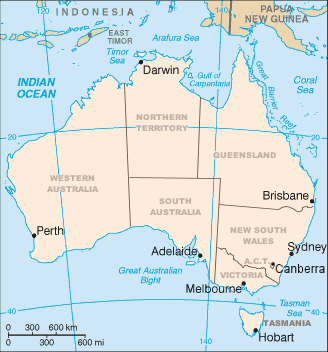
تتكون أستراليا من ست ولايات واثنين من المناطق الكبرى على البر الرئيسي ومناطق صغرى أخرى. الولايات هي نيو ساوث ويلز، كوينزلاند، أستراليا الجنوبية، تاسمانيا، ڤيكتوريا, وأستراليا الغربية. المنطقتان الكبريان على البر الرئيسي هما الإقليم الشمالي ومنطقة العاصمة الأسترالية.
تنقسم أستراليا إلى ستة ولايات هي كالتالي:
- نيو ساوث ويلز وعاصمتها سيدني
- كوينسلاند وعاصمتها بريزبين
- أستراليا الجنوبية وعاصمتها أدليد
- تاسمانيا وعاصمتها هوبارت
- فيكتوريا وعاصمتها ملبورن
- أستراليا الغربية وعاصمتها پرث
العلاقات الخارجية والجيش
 مقالات مفصلة: العلاقات الخارجية لأستراليا
- قوة الدفاع الأسترالية


في العقود الأخيرة، كانت العلاقات الخارجية لأستراليا على ارتباط وثيق بالولايات المتحدة عن طريق تحالف أنزوس، ولرغبتها في تنمية العلاقات مع آسيا والهادي، وبصفة خاصة عبر آسيان ومنتدى جزر الهادي. في 2005 حصلت أستراليا على مقعد inaugural في قمة شرق آسيا في أعقاب انضمامها لمعاهدة الصداقة والتعاون. أستراليا هي عضو في كومنولث الأمم، والذي توفر لقاءات رؤوس حكومة الكومنولث الملتقى الرئيسي للتعاون. ناضلت أستراليا بقوة من أجل قضية تحرير التجارة الدولية. تزعمت أستراليا تشكيل مجموعة كايرنز والتعاون الاقتصادي لآسيا والهادي. وهي عضو في منظمة التعاون والتنمية الاقتصادية ومنظمة التجارة الدولية. وقعت أستراليا على الكثير من اتفاقيات التجارة الحرة الثنائية الهامة، ومن أحدثها الاتفاقية الأمريكية الأسترالية للتجارة الحرة والعلاقات الاقتصادية الأقرب مع نيوزيلندا. أستراليا عضو مؤسس في الأمم المتحدة، وتحافظ أستراليا أيضاً على برنامج مساعدات دولية والذي تحصل بموجبه 60 دولة على المساعدات. وفرت ميزانية 2005-06، 2.5 بليون دولار أسترالي من أجل المساعدات التنموية؛[19] كنسبة مئوية من ن.م.إ، هذه المساهمة تعتبر أقل من الأهداف الإنمائية الألفية للأمم المتحدة.
القوات المسلحة الأسترالية-قوات الدفاع الأسترالية-تتكون من البحرية الملكية الأسترالية، الجيش الأسترالي، والقوات الجوية الملكية الأسترالية، والتي يقدر عددها بحوالي 51.000 فرد.[20] جميع قطاعات قوات الدفاع الأسترالية تشارك في عمليات حفظ السلام الأممية والاقليمية (آخرها في تيمور الشرقية، جزر سليمان والسودان)، الإغاثة من الكوارث، والنزاعات المسلحة، وتشمل غزو العراق 2003. تعين الحكومة رئيس قوات الدفاع من إحدى فروع الخدمات المسلحة؛ الرئيس الحالي لقوات الدفاع هو مارشال القوات الجوية أنگوس هوستن. في ميزانية 2006-07، أنفقت قوات الدفاع 22 بليون دولار أسترالي.[21] بينما القاعد العام هو القائد الأعلى لقوات الدفاع الأسترالية، ولا يكون هو أو هي طرفاً فاعلاً في هيكل القيادة لقوات جيش الدفاع وتسيطر الحكومة الأسترالية المنتخبة على قوات الدفاع الأسترالية.[22]
الجغرافيا


مساحة أستراليا هي 7٬686٬850 كم مربع [23] على سطح لوحة الأسترالية. ويحدها المحيط الهندي والمحيط الهادئ، ويفصلها عن آسيا من بحار ارافورا وتيمور الشرقية ونيوزيلندا من بحر تاسمان. تتمتع بـ 25٬760 كم من السواحل البحرية [24] وتتميز بـ 8٬148٬250 كيلومترا مربعا في المنطقة الاقتصادية الخالصة. هذه المنطقة لا تشمل الإقليم الأسترالي في أنتاركتيكا.

البيئة
الحاجز المرجاني العظيم، هي أكبر الشعاب المرجانية في العالم [25]، ويمتد على مسافة قريبة من الساحل الشمال الشرقي، بأكثر من 2000 كم.
الفاصل الكبير المدى إنگليزية: the Great dividing range هي أكبر سلسلة جبال في أستراليا. فهي تمتد من شمال شرق ولاية كوينزلاند، على طول الساحل الشرقي من خلال نيو ساوث ويلز، ثم ولاية فيكتوريا قبل، في الطرف الجنوبي من القارة، التحول للغرب، ليأتي ويموت في السهول الوسطى الواسعة في جبال جرامبيان الشرقية في ولاية فيكتوريا. في بعض الأماكن، مثل منطقة الجبال الزرقاء، الجبال الثلجية (في "الجبال الثلجية")، وجبال الألب الفيكتوري والمنحدرات العمودية من المنطقة الشرقية في نيو انغلاند، في المناطق الجبلية التي تشكل عائقا رئيسيا. مع ارتفاع 2228 متر، قمة جبل كوسكيوسزكو هي أعلى قمة في البر الرئيسى، بينما ذروة جبل ماوسن، وتقع في جزيرة هيرد الأسترالية، تصل إلى 2745 مترا. وتعد أستراليا القارة الأكثر تسطحا بارتفاع متوسط 300 متر.
الجزء الأكبر من الأراضي الأسترالية تغطيه صحاري ومناطق شبه قاحلة. هناك مشاريع الري تكافح من أجل التغلب على الجفاف. وتعتبر أوقيانوسيا هي القارة المأهولة الأكثر جفافا، وتربتها هي الأقدم والأقل خصوبة وتسطحا. فقط الاطراف الجنوبية الشرقية (شبه المدارية الرطبة)، الجنوب (مناخ المحيطات)، وفي الجنوب الغربي (مناخ متوسطي) تتمتع بمناخ معتدل. في الجزء الشمالي من البلاد ذات المناخ المداري، ويتكون الغطاء النباتي من الغابات المطيرة، والمراعي، وأشجار المانغروف والمستنقعات والصحارى. المناخ يتأثر بقوة التيارات المحيطية، بما في ذلك ظاهرة النينيو، والتي تتسبب في الجفاف الدوري والضغوط المنخفضة التي تنتج الأعاصير الموسمية في شمال أستراليا [26].
الحياة النباتية والحيوانية

على الرغم من أن مساحات كبيرة من أستراليا عبارة صحاري وأراضي شبه قاحلة، تختلف أرض أستراليا عن أي أرض أخرى، فحيواناتها ونباتها ومناظرها الطبيعية هي نتاج عملية جيولوجية شاسعة وبطيئة. ويقدر عدد الأنواع الموجودة في أستراليا بأكثر من مليون نوع، نسبة كبيرة منها لا توجد في مكان آخر غير أستراليا. فمعالم أستراليا الطبيعية قديمة جدًا. "فتشكيلة" النباتات التي تتحالف مع بعضها كى تنمو سويا جعلت معيشتها ممكنة في أنواع مختلفة من التربة والظروف المناخية الصعبة. هذه التحالفات فتحت المجال لتطور وبقاء أنواع جديدة من الحيوانات.
بين 55 مليون سنة و10 ملايين سنة تحركت صفيحة أستراليا القارية من القطب الجنوبي تجاه خط الاستواء. هذه الرحلة عزلت أشكال الحياة في أستراليا وعرضتها لتحديات محددة فوفرت لها عملية تطورية فريدة من نوعها.
ولعل القدرة على البقاء في الأوقات الصعبة كانت مناسبة للحيوانات ذات معدل الأيض المنخفض مثل الزواحف والكيسيات. إذ ما زال هناك ما يزيد على مائة نوع من الكيسيات يتم حمايتها حاليًا في محميات وما زالت مستمرة في الازدهار في بيئتها الطبيعية.
هناك 55 نوعًا مختلفًا من حيوانات القوائم الكبيرة -مثل الكنغر والوالابي والولارو والبادملون وكنغر الأشجار ووالابي الغابات، كلها موطنها الأصلي أستراليا. وتختلف فصائل الكنغر عن بعضها اختلافًا كبيرًا في الحجم والوزن، إذ تتراوح بين نصف كيلوجرام (1ر1 رطل) و60 كيلوجرام (200 دطل).
من بين 20 ألف فصيلة من النباتات الوعائية المكتشفة في أستراليا، لا وجود لسبعة عشر ألف فصيلة منها في أي مكان آخر بالعالم، ومن بين 268 فصيلة من الثدييات (بما فيها الكيسيات) في أستراليا، تنفرد أستراليا بثمانين في المائة منها، ومن بين 770 نوعًا من الزواحف الأسترالية 685 نوعًا لا وجود لها في أي مكان آخر بالعالم. بين 80 و90 في المائة من الحشرات والعناكب من نوع فريد.
ويمكن مشاهدة الكوالا في الحدائق الوطنية والغابات على طول الساحل الشرقي. فمحميات الحياة البرية تمكن الزوار من مشاهدتها عن قرب وبعض حدائق الحيوان حتى تسمح للزوار بدخول الأقفاص. والومبات حيوان كيسي عشبي ضخم يعيش في الجحور. وهو حيوان ليلي أساسًا ووجد في أستراليا منذ 15 مليون سنة ويعيش في أجزاء كثيرة من أستراليا. أما شيطان تاسمانيا فهو حيوان كيسي آكل للحوم. هذا الحيوان الخلاب لا يوجد الآن إلا في غابات تاسمانيا.
وكما هو الحال بالنسبة للكيسيات، تؤوي أستراليا نوعًا فريدًا آخر هو المونوتريم، وهو نوع من الثدييات التي تبيض وغالبًا ما يوصف بأنه من الحفريات الحية. ولعل أكثر الحيوانات تميّزًا في صفاته البلاتيبس وهو حيوان يعيش في الأنهار وله منقار كمنقار البط وجسم مغطى بالشعر يشبه جسم القضاعة وأقدام بها أغشية. ونوع آخر يمثل هذه المجموعة هو "الأكيدنا" أو آكل النمل ذو الأشواك.
ويوجد 520 نوعًا من السحالي في أستراليا يتراوح حجمها بين الجيكو الصغيرة التي تصدر أصواتًا تشبه الصرير والسحلية الرائعة ذات الرقبة المهدبة و"الجوانا" السريعة العدو التي يمكن أن يصل طولها إلى مترين.
وقد تم تسجيل أكثر من 750 نوعًا من الطيور في أستراليا، 350 منها لا وجود له في أي مكان آخر بالعالم. ومن بين هذه الطيور طائر الكوكابورا المشهور بضحكته الخاصة وتشكيلة غير عادية من الببغاوات مثل "اللوريكيت" ذا الريش الملوّن بألوان قوس قزح اللامعة وطيور البطريق الصغيرة التي تقطن مياه الساحل الجنوبي الشرقي.
ولدى أستراليا مجموعة ضخمة من النباتات الزهرية أكثر من أي مكان آخر في العالم. فهناك أشكال لا حصر لها من الشجيرات الأرضية التي تتميز أزهارها بالألوان الزاهية في الربيع والصيف. حتى أن أكثر الأماكن قفرًا تكتسي ببساط من الأزهار بعد سقوط المطر جاعلة الصحراء مكانًا يعج بالحياة.
قضايا بيئية

أستراليا هي إحدى 17 دولة فقط ذات "تنوع هائل" - أي يتسم نظامها البيئي بتنوع وثراء غير عاديين. ومن أكبر التحديات البيئية التي تواجه أستراليا الآن هو فقدانها هذا التنوع. فعوامل مثل قطع الأشجار وإنشاء الطرق واستقدام الحشرات والأعشاب الضارة والزيادة المستمرة في عدد السكان كلها عوامل تهدد النظم البيئية في القارة. وفي السنوات الأخيرة أعير اهتمام أكبر لاستخدام الطرق التقليدية في المحافظة على البيئة الطبيعية للحيوانات.
يوفر "قانون حماية البيئة والمحافظة على التنوع الحيوي لعام 1999" فوائد كبرى لجميع الأستراليين والمجتمع الدولي والأجيال المقبلة وذلك عن طريق حماية البيئة والمحافظة على التنوع الحيوي. بدأ العمل بهذا القانون في يوليو 2000، وهو يحدد دور الحكومة في حماية القضايا ذات الأهمية البيئية الوطنية بما في ذلك أملاك التراث العالمي والأراضي الرطبة الهامة الدولية والفصائل المهاجرة والمهددة والمستوطنات الإيكولوجية.

ويلعب نظام المحميات الوطنية دورًا هامًا في حماية التنوع الحيوي. فهو يحدد المناطق التي تحتاج إلى حماية ويحولها إلى محميات. وقد اتسع إجمالي المناطق المحمية بسرعة، وهي حاليًا حوالي 8 في المائة من مساحة أستراليا، علاوة على تحويل بعض الأراضي إلى حدائق وطنية. كما تم تشكيل لجنة خاصة لتحديد الثغرات، أي المناطق التي تحتاج إلى وضعها تحت الحماية، ووضع أولويات التمويل الخاص بمشروعات المحافظة على التنوع الحيوي.
يحمي القانون في أستراليا ما يزيد على 60 مليون هكتار أي 84ر7 في المائة من الكتلة الأرضية لأستراليا. وتختلف إدارة هذه المناطق من جانب حكومات الولايات والمناطق. فالبعض يخضع لحماية مشددة والبعض يسمح فيه بالزيارة والبعض الآخر يسمح فيه بالأنشطة الترفيهية دون تطوير موارده. ويشارك أصحاب الأراضي الأبوريجينيون في إدارة الحدائق الوطنية كحديقتَي "كاكادو" و"أولورو - كاتا تجوتا" في المنطقة الشمالية وحديقة "زبودريس" في منطقة خليج "جرفيز" جنوب سيدني. اعتبارًا من أكتوبر 2002 وصل عدد الممتلكات الأسترالية المدرجة في قائمة التراث العالمي إلى 14 موقعًا
الحاجز المرجاني العظيم، والمنطقة البرية في تاسمانيا والمناطق الاستوائية الرطبة بكوينزلاند، وخليج شارك، وكلها تنطبق عليها الشروط العالمية للدخول ضمن التراث العالمي. حديقة "كاكادو" الوطنية وحديقة "اولورو - كاتا تجوتا" الوطنية ومنطقة بحيرات "ويلاندرا" وبرية تاسمانيا، تم إدراجها طبقًا للمعايير الطبيعية والثقافية معًا.
مناطق حفريات الثدييات الأسترالية (ناراكورت وريفرسلي) ومجموعة جزر لورد هاو ومحمية الغابات الرطبة شرقي المنطقة الوسطى، وجزيرة "فريزر" وجزيرة "مكواري" وجزر "هيرد وماكدونالد" ومنطقة الجبال الزرقاء العظمى، كلها مدرجة طبقًا لمعايير التراث العالمي الخاص بالتراث الطبيعي. واهتمام الأستراليين بالوضوعات البيئية اهتمام حقيقي وفعال. فإعادة تدوير القمامة في المدن باتت عملية مألوفة وأدت إلى تقليل النفايات المنزلية الصلبة. وأثارت مشكلة انتشار الطحالب في الأنهار وزيادة الملوحة في الأراضي المروية جدلاً بشأن موضوع الزراعة المتواصلة. كما أثارت عملية تنمية الساحل القلق بشأن تدهور البيئة.
يخضع حصاد وتصدير منتجات الحياة البرية الطبيعية الأسترالية للمراقبة والضبط أيضًا. إذ تضمن أحكام قانون حماية البيئة والتنوع الحيوي خضوع أستراليا لأكثر قوانين العالم تشددًا في ميدان التجارة بالحياة البرية.
الاقتصاد


تتمتع أستراليا باقتصاد مختلط مزدهر على الطراز الغربي، حيث ن.م.إ. للفرد أقل بقليل من نظيره في المملكة المتحدة، لكنه أكبر بقليل منه في ألمانيا، وفرنسا من حيث القدرة الشرائية المقارنة. احتلت البلاد الترتيب الثالث في مؤشر التنمية البشرية الصادر عن الأمم المتحدة في 2007 والسادس في المؤشر العالمي لجودة الحياة الصادر عن الإيكونومست في 2005. غياب الصناعة التحويلية الموجهة للتصدير يعتبر نقطة الضعف الرئيسية في الاقتصاد الأسترالي. في الآونة الأخيرة، ارتفاع أسعار صدارات السلع الأسترالية وزيادة السياحة جعل هذه الانتقادات أقل أهمية. ومع ذلك، تمتلك أستراليا رابع أكبر عجز في الحساب الجاري بالنواحي المطلقة (من بعض النواحي يعتبر أكبر من 7% من ن.م.إ.). يعتبر هذا الأمر إشكالياً من قبل بعض الاقتصاديين، خاصة أنه يتزامن مع الأرقام التجارية المرتفعة وأسعار الفائدة المنخفضة مما يجعل سعر خدمة الدين الخارجي منخفض.[29]
بدأت حكومة هاوك عملية الاصلاح الاقتصادي بتعويم الدولار الأسترالي عام 1983، ورفع القيود جزئياً عن النظام المالي.[30] واصلت حكومة هوارد عملية اصلاح الاقتصاد الكلي، وتضمن هذا رفع لاقيود جزئياً عن سوق العمل وخصخصة الأعمال المملوكة للدولة، ومن أشهرها صناعة الاتصالات.[31] شهد نظام الضرائب الغير مباشرة اصلاحات كبيرة في يوليو 2000 مع فرض ضريبة بقيمة 10% على السلع والخدمات، مما أدى إلى تخفيف طفيف في الاعتماد على ضريب الدخل على الأفراد والشركات والتي تميز النظام الضريبي الأسترالي.
في يناير 2007، كان هناك 10.033.480 موظف، مع معدل بطالة 4.6%.[32] على مدار العقد الماضي، كان معدل التضخم 2-3% وسعر الفائدة الأساسي 5-6%. يشمل قطاع الخدمات السياحة، التعليم والخدمات المالية، والذي يشكل 69% من ن.م.إ.[33] تساهم الزراعة والموارد الطبيعية بنسبة 3% و5% من ن.م.إ. لكنها تساهم بشكل أكبر في آداء التصدير. أسواق التصدير الأسترالية الكبرى تشمل اليابان، الصين، الولايات المتحدة، كوريا الجنوبية ونيوزيلاندا.[34]
الديموغرافيا

| Rank | الولاية | Pop. | Rank | الولاية | Pop. | ||||
|---|---|---|---|---|---|---|---|---|---|
 سيدني  ملبورن |
1 | سيدني | ن.س.و. | 4,667,283 | 11 | هوبارت الكبرى | تسمانيا | 216,959 |  بريزبين  پرث |
| 2 | ملبورن | ڤيكتوريا | 4,246,345 | 12 | گيلونگ | ڤيكتوريا | 179,042 | ||
| 3 | بريزبين | كوينزلاند | 2,189,878 | 13 | تاونزڤيل | كوينزلاند | 171,971 | ||
| 4 | پرث | أ.الغربية | 1,897,548 | 14 | كيرنز | كوينزلاند | 142,528 | ||
| 5 | أدليد | أ. الجنوبية | 1,277,174 | 15 | داروين | ا.ش. | 131,678 | ||
| 6 | گولد كوست–تويد هيدز | QLD/ن.س.و. | 590,889 | 16 | توومبا | كوينزلاند | 110,472 | ||
| 7 | نيوكاسل–ميتلاند | ن.س.و. | 418,958 | 17 | بالارات | ڤيكتوريا | 95,007 | ||
| 8 | كانبرا–كوينباين | ا.ع.أ./ن.س.و. | 411,609 | 18 | بنديگو | ڤيكتوريا | 89,666 | ||
| 9 | صن شاين كوست | كوينزلاند | 285,169 | 19 | لونكستون | تسمانيا | 86,109 | ||
| 10 | ولونگونگ | ن.س.و. | 282,099 | 20 | ألبري–ودونگا | ن.س.و./ڤيكتوريا | 84,982 | ||
اللغات
الدين
التعليم

الصحة
الثقافة

منذ 1788، كان الأساس الأولي للثقافة الأسترالية هي الثقافة الأنگلو-كلتية، بالرغم من السمات الأسترالية المميزة التي سرعان ما ظهرت من البيئة الفريدة للبلاد ثقافة السكان الأصليين الموجودة مسبقاً. على مدار الخمسين عام الماضية، تأثرت الثقافة الأسترالية بقوة بالثقافة الشعبية الأمريكية (خاصة التلفزيون والسينما)، الهجرة واسعة النطاق من البلدان الناطقة بالإنگليزية والبلدان الآسيوية المجاورة لأستراليا. حيوية وأصالة الفنون في الأدب، السينما، الاوپرا، الموسيقى، الرسم، المسرح، الرقص، والأعمال الفنية الأسترالية حازت على تقدير دولي.

للفنون البصرية الأسترالية تاريخ طويل، بدأ بالرسم على الكهوف وجذوع الأشجار من قبل شعوبها الأصلية. منذ زمن الاستيطان الأوروپي، السمة الشائعة في الفن الأسترالي هي الأفق الأسترالي، والذي يسظهر على سبيل المثال في أعمال آرثر ستريتون، آرثر بويد، وألبرت ناماتجيرا. تقاليد الشعوب الأصلية الأسترالية نقلت بشكل كبير شفهياً وارتبطت بشكل وثيق بالمراسم ورواية قصص وقت الحلم. موسيقى، رقص، وفن الشعوب الأصلية الأسترالية لها تأثير واضح على الفنون البصرية والتطبيقية الأسترالية المعاصرة. معرض الفن الوطني الأسترالي والمعارض الفنية الحكومية المختلفة تمتلك مجموعات كبيرة من الأعمال الفنية الأسترالية وعبر البحار وتستقبل أعداداً كبيرة من الأستراليين. لأستراليا تقليد نشط في الموسيقى، الباليه والمسرح؛ الكثير من فرق الفنون التطبيقية الأسترالية تحصل على تمويل عام عن طريق المجلس الحكومي الأسترالي. في كل عاصمة ولاية يوجد اوركسترا سيمفوني، وفرقة اوپرا وطنية، الاوپرا الأسترالية، والتي حققت شهرتها لأول مرة بواسطة مغنية الاوپرا دام جوان سذرلاند. دام نيلي ملبا كانت سلفتها العظيمة. تشمل الموسيقى الأسترالية الموسيقى الكلاسيكية، الجاز والكثير من الأنواع الشعبية. كذلك تقام عروض الباليه والرقصة عبر البلاد بواسطة فرقة الباليه الأسترالي ومختلف فرق الرقص القومية. سير روبرت هلپمان يعتبر راقصاً أسترالياً عظيمأً وتلاه عدد من الراقصين الآخرين ومنهم المدير الفني الحالي للباليه الأسترالي، ديڤد مكاليسيتر. لكل ولاية فرقة مسرحية ممولة حكومياً. أنجبت أستراليا الكثير من الممثلين العظماء ومنهم نيكول كيدمان وكيت بلانشت المديرة الحالية لفرقة سيدني المسرحية.
تأثر الأدب الأسترالي بالأفق؛ وصورت أعمال الكتاب مثل بناجو پاترسون وهنري لاوسون الأدغال الأسترالية. كما وردت شخصية أستراليا الاستعمارية في الأعمال الأدبية المبكرة، والتي تركت بصمتها على أستراليا الحديثة وتركيزها على المساواتية، الزمالة، ومكافحة الاستبداد. عام 1973، حاز [[پاتريك وايت] على جائزة نوبل في الأدب، الأسترالي الوحيد الذي فاز بهذه الجائزة، والتي مُنحت له اعترافاً بكونه واحداً من أعظم كتاب اللغة الإنگليزية في القرن 20. [[كولين مككولو، ديڤد وليامسون، وديڤ مالوف هم أيضاً من مشاهير الكتاب الأستراليين. الإنگليزية الأسترالية هي اللغة الرئيسية في أستراليا؛ يعتمد صرفها ونطقها بشكل كبير على الإنگليزية البريطانية، بالإضافة لمفردات وعبارات غنية من اللغة العامية والمعجمية الفريدة، بعضها وجد طريقه للإنگليزية القياسية. للإنگليزية الأسترالية لهجات أقل تنوعاً على المستوى الداخلي عن الإنگليزية البريطانية أو الأمريكية بالرغم من أن نُطق الكلمات واستخدامها يمكن أن يختلف من منطقة لأخرى.
الفنون

الإعلام

يوجد في أستراليا شركتين بث حكوميتين و(إي بي سي وإس بي سي)، وثلاث شبكات تلفزيونية تجارية، خدمات دفع تلفزيوية مدفوعة متعددة، وعدد من محطات الإذاعة والتلفزيون الحكومية الغير ربحية. حازت صناعة السينما الأسترالية على الكثير من النجاح النقدي والتجاري. يوجد في كل مدينة رئيسية صحف يومية، ويوجد صحيفتين يوميتين قوميتين، ذه أستراليان وذه أستراليان رڤو. حسب مراسلون بلا حدود في 2007، كانت أستراليا في المركز 28 على قائمة البلدان حسب حرية الصحافة، بعد نيوزيلاندا (15) والمملكة المتحدة (24) لكن قبل الولايات المتحدة (48). هذا الترتيب المنخفض يرجع بشكل رئيسي إلى التنوع المحدود للملكية الإعلامية التجارية في أستراليا؛[بحاجة لمصدر] خاصة، أن معظم الإعلام المطبوع الاسترالي تحت سيطرة نيوز كورپوريشن وجون فيرفاكس القابضة.
المطبخ
الرياضة والترفيه


تلعب الرياضة دوراً هاماً في الثقافة الأسترالية، بمساعدة المناخ الذي يشجع على ممارسة الأنشطة في الأماكن المفتوحة؛ 23.5% من الأستراليين فوق 15 سنة يمارسون الأنشطة الرياضية المنظمة.[34] على المستوى الدولي، تمتلك أستراليا فرق قوية في الكريكت، الهوكي، كرة الشبكة، الرگي وآدئها جيد في ركوب الدراجات، التجديف، والسباحة. على المستوى الوطني، هناك رياضات شهيرة أخرى وتتضمن كرة القدم الأسترالية، سباق الخيول، كرة القدم، وسباق الدراجات البخارية. شاركت أستراليا في كل الألعاب الاولمپية الصيفية في العصر الحديث، وفي كل ألعاب الكومنولث. استضافت أستراليا [الألعاب الاولمپية الصيفية 1956]] في ملبورن والألعاب الاولمپية الصيفية 2000 في سيدني، وكانت من بين أفضل خمس حائزي مداليات منذ 2000. استضافت أستراليا أيضاً ألعاب الكومنولث 1928، 1962، 1982، و2006. الأحداث الدولية الكبرى التي عقدت في أستراليا تتضمن بطولة أستراليا المفتوحة للتنس، مباريات الكريكت الدولية، وسباق فورمولا وان. تحوز الرياضات المذاعة شهرة كبيرة في أستراليا؛ ومن أعلى البرامج التلفزيونية ترتيباً الألعاب الاولمپية الصيفية والنهائيات الكبرى لبطولات كرة القدم الدولية.[40]
انظر أيضاً

الهوامش
- ^ Australia's royal anthem is "God Save the Queen", played in the presence of a member of the Royal family when they are in Australia. In all other appropriate contexts, the national anthem of Australia, "Advance Australia Fair", is played.[1]
- ^ أ ب English does not have de jure status.[2]
- ^ أ ب There are minor variations from three basic time zones; see Time in Australia.
المصادر
- ^ It's an Honour – Symbols – Australian National Anthem and DFAT – "The Australian National Anthem"[dead link]; "National Symbols". Parliamentary Handbook of the Commonwealth of Australia (29th ed.). 2005 [2002].
{{cite book}}:|access-date=requires|url=(help); External link in|chapterurl=|chapterurl=ignored (|chapter-url=suggested) (help) - ^ خطأ استشهاد: وسم
<ref>غير صحيح؛ لا نص تم توفيره للمراجع المسماةlanguage - ^ See entry in the Macquarie Dictionary.
- ^ Collins English Dictionary. Bishopbriggs, Glasgow: HarperCollins. 2009. p. 18. ISBN 978-0-00-786171-2.
- ^ "Population clock". Australian Bureau of Statistics website. Commonwealth of Australia. Retrieved 29 June 2015. The population estimate shown is automatically calculated daily at 00:00 UTC and is based on data obtained from the population clock on the date shown in the citation.
- ^ Australian Bureau of Statistics (31 October 2012). "Australia". 2011 Census QuickStats. Retrieved 21 June 2012.

- ^ أ ب ت ث "Australia". International Monetary Fund. April 2015. Retrieved 25 April 2015.
- ^ "OECD Economic Surveys: Norway 2012".
- ^ "2014 Human Development Report Summary" (PDF). United Nations Development Programme. 2014. pp. 21–25. Retrieved 27 July 2014.
- ^ كلاً من السكان الأصليين الأستراليين والأوروپيين من أصول أفريقية - 50.000 سنة مضت
- ^ MacKnight, CC (1976).The Voyage to Marege: Macassan Trepangers in Northern Australia. Melbourne University Press
- ^ Purchas, vol. iv, p. 1422–32, 1625. This appears to be variation of the original Spanish "Austrialia" [sic]. A copy at the Library of Congress can be read online [1]
- ^ Sidney J. Baker, The Australian Language, second edition, 1966.
- ^ Weekend Australian, 30-31 December 2000, p. 16
- ^ Bean, C. Ed. (1941). Volume I - The Story of Anzac: the first phase, First World War Official Histories, Eleventh Edition.
- ^ Australia Act text [2]
- ^ Australian Electoral Commission (2000).1999 Referendum Reports and Statistics, accessed 28 July 2007
- ^ Commonwealth of Australia Constitution Act
- ^ Australian Government. (2005). Budget 2005–2006
- ^ Nation Master [3]
- ^ Australian Department of Defence (2006).Portfolio Budget Statements 2006–07.Page 19.
- ^ Khosa, Raspal (2004). Australian Defence Almanac 2004–05. Canberra: Australian Strategic Policy Institute. pp. p. 4.
{{cite book}}:|pages=has extra text (help) - ^ Australia's Size Compared, Geoscience Australia.اطلع عليه يوم 2007-05-19
- ^ State of the Environment 2006, Department of the Environment and Water Resources.اطلع عليه يوم 19 05 2007
- ^ UNEP World Conservation Monitoring Centre, « Protected Areas and World Heritage - Great Barrier Reef World Heritage Area », 1980, Department of the Environment and Heritage.اطلع عليه يوم 2007-05-19
- ^ No more drought: it's a "permanent dry"; Australia's epic drought: The situation is grim.
- ^ "5368.0 – International Trade in Goods and Services, Australia, April 2007". Australian Bureau of Statistics. 31 May 2007. Retrieved 14 June 2010.
- ^ "Government to help Kalgoorlie quake victims". Australian Broadcasting Corporation. 20 April 2010. Archived from the original on 6 June 2010. Retrieved 2 June 2010.
{{cite web}}: Unknown parameter|deadurl=ignored (|url-status=suggested) (help) - ^ Colebach, T. We're on a long and slippery slide to disaster, March 2 2005, The Age
- ^ Macfarlane, I. J. (1998). Australian Monetary Policy in the Last Quarter of the Twentieth Century. Reserve Bank of Australia Bulletin, October
- ^ Parham, D. (2002). Microeconomic reforms and the revival in Australia’s growth in productivity and living standards. Conference of Economists, Adelaide, 1 October
- ^ Australian Bureau of Statistics. Labour Force Australia. Cat#6202.0
- ^ Department of Foreign Affairs and Trade (2003). Advancing the National Interest, Appendix 1
- ^ أ ب Australian Bureau of Statistics. Year Book Australia 2005
- ^ "3218.0 – Regional Population Growth, Australia, 2011–12". Australian Bureau of Statistics. 30 April 2013. Retrieved 30 Oct 2013.
- ^ خطأ استشهاد: وسم
<ref>غير صحيح؛ لا نص تم توفيره للمراجع المسماةcensus2011 - ^ "About Australia: World Heritage properties". Department of Foreign Affairs and Trade. Archived from the original on 25 July 2010. Retrieved 14 June 2010.
{{cite web}}: Unknown parameter|deadurl=ignored (|url-status=suggested) (help) - ^ "Sidney Nolan's Rainbow Serpent is larger than life" (16 June 2012), The Australasian.
- ^ National Sports Museum Heritage Listing, National Sports Museum. Retrieved 15 April 2015.
- ^ Australian Film Commission. What are Australians Watching?, Free-to-Air, 1999–2004 TV
المراجع
- Davison, Graeme; Hirst, John; Macintyre, Stuart (1999). The Oxford Companion to Australian History. Melbourne: Oxford University Press. ISBN 0-19-553597-9.
{{cite book}}: CS1 maint: multiple names: authors list (link) - Jupp, James (2001). The Australian people: an encyclopedia of the nation, its people, and their origins. Cambridge University Press. ISBN 0-521-80789-1.
- Smith, Bernard; Smith, Terry (1991). Australian painting 1788–1990. Melbourne: Oxford University Press. ISBN 0-19-554901-5.
{{cite book}}: CS1 maint: multiple names: authors list (link) - Teo, Hsu-Ming; White, Richard (2003). Cultural history in Australia. University of New South Wales Press. ISBN 0-86840-589-2.
{{cite book}}: CS1 maint: multiple names: authors list (link)
قراءات إضافية
- موسوعة حضارة العالم أنشأها أحمد محمد عوف.
- Denoon, Donald, et al. (2000). A History of Australia, New Zealand, and the Pacific. Oxford: Blackwell. ISBN 0-631-17962-3
- Goad, Philip and Julie Willis (eds) (2011). The Encyclopedia of Australian Architecture Cambridge University Press, Port Melbourne, Victoria. ISBN 978-0-521-88857-8
- Hughes, Robert (1986). The Fatal Shore: The Epic of Australia's Founding. Knopf. ISBN 0-394-50668-5.
- Powell JM (1988). An Historical Geography of Modern Australia: The Restive Fringe. Cambridge, UK: Cambridge University Press. ISBN 0-521-25619-4
- Robinson GM, Loughran RJ, and Tranter PJ (2000) Australia and New Zealand: economy, society and environment. London: Arnold; NY: OUP; 0340720336 paper 0-340720328 hard.
وصلات خارجية
| Find more about أستراليا at Wikipedia's sister projects | |

|
Definitions from Wiktionary |

|
Media from Commons |

|
Quotations from Wikiquote |

|
Source texts from Wikisource |

|
Textbooks from Wikibooks |

|
Travel guide from Wikivoyage |

|
Learning resources from Wikiversity |

 Wikimedia Atlas of Australia
 Geographic data related to أستراليا at OpenStreetMap
- About Australia from the Department of Foreign Affairs and Trade website
- Governments of Australia website (federal, states and territories)
- Australian Government website
- Australian Bureau of Statistics
- Community organisations portal
- Tourism Australia
- Australia entry at The World Factbook
- Australia at UCB Libraries GovPubs
- أستراليا at the Open Directory Project

| التاريخ | خط زمني · قبل التاريخ · الآثار الأسترالية · الاستكشاف · 1606–1787 · 1788–1850 · 1851–1900 · 1901–1945 · منذ 1945 · الدستوري · الدبلوماسي · الاقتصادي · الاتحاد · الهجرة · السكان الأصليون · العسكري · الملكية · السكك الحديدية |
|---|---|
| الجغرافيا | الولايات والمناطق · العواصم · المدن · المدن حسب التعداد · المناخ · القارة · الصحاري · البيئة · الفلورا · الفونا · الغابات · الجيولوجيا · الجزر · الجبال · المناطق · المناطق المحمية · الأنهار |
| الحكومة | |
| السياسة | |
| الاقتصاد | الزراعة · الشركات · الطاقة · Home ownership · التشرد · الصناعة · الاعلام · التعدين · الفقر · الضرائب · الاتصالات · السياحة · المواصلات · الدولار الأسترالي · بنك الاحتياط · البورصة · دخل الأسرة · Gross state product · نظام الضمان الاجتماعي |
| الثقافة | العمارة · الفنون · اللغة الإنگليزية الأسترالية · السينما · المطبخ · النبيذ · الرقص · السكان الأصليون · الأدب · الموسيقى · العطلات العامة · الأديان · الرياضة · التلفزيون · المسرح · الفنون البصرية |
| الرموز | |
| موضوعات أخرى | |

| |||||||||||||


انقر على المناطق الملونة لترى المقالة المتعلقة: 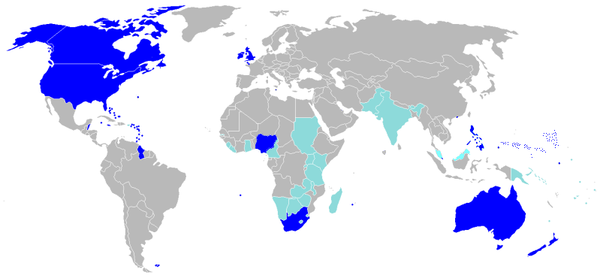 | |||||||||||||||||
| ملكيات مطلقة |  | |
|---|---|---|
| ملكيات شبه دستورية | ||
| ملكيات دستورية | أنتيگا وبربوداc • أسترالياc • أندوراa • البهامازc • بربادوسc • بليزc • بلجيكا • كمبوديا • كنداc • الدنمارك • گريناداc • جامايكاc • اليابانj • ليختنشتاين • لسوتو • لوكسمبورگ • ماليزيا • موناكو • هولندا • نيپال • نيوزيلنداc • النرويج • پاپوا غينيا الجديدةc • إسپانيا • سانت كيتس ونڤيسc • سانت لوشياc • سانت ڤنسنت والگرنادينزc • جزر سولومونc • السويد • تايلاند • تونگا • توڤالوc • الإمارات العربية المتحدةu • المملكة المتحدةc | |
| ملكيات انتخابية | ||
(c) كل Commonwealth Realms لهم نفس العاهل الذي يمثله حاكم عام. • (a) Co-monarchical, both are represented by a delegate. • (j) مثار جدل إذا ما كان العاهل هو الرأس الحقيقي للدولة. • (u) تستعمل اللقب غير الملكي الرئيس. | ||
| دول ذات سيادة | أنتيگا وبربودا • أستراليا • بهاماس • بنگلادش • باربادوس • بليز • بوتسوانا • بروناي • كاميرون • كندا • قبرص • دومينيكا • فيجي • گامبيا • غانا • گرينادا • گويانا • الهند • جامايكا • كينيا • كريباتي • لسوتو • مالاوي • ماليزيا • المالديف • مالطا • موريشيوس • موزمبيق • ناميبيا • ناورو • نيوزيلندا • نيجريا • پاكستان • پاپوا وغينيا الجديدة • سانت كيتس ونڤيس • سانت لوشا • سانت ڤنسنت والگرنادينز • ساموا • سيشل • سييراليون • سنغافورة • جزر سليمان • جنوب أفريقيا • سري لانكا • سوازيلاند • تنزانيا • تونگا • ترينيداد وتوباگو • توڤالو • اوغندا • المملكة المتحدة • ڤانواتو • زامبيا |  | |||||||
|---|---|---|---|---|---|---|---|---|---|
| توابع |
| ||||||||


.svg)


![[1]](http://memory.loc.gov/service/rbc/rbdk/d0404/02951422.jpg)
| الأعضاء |  | |
|---|---|---|
| أعضاء منتسبون | ||
| مراقبون | ||
| منظمات مراقبة | ||
| شركاء الحوار | ||
| الاجتماعات | ||
- Articles with dead external links from March 2015
- CS1 errors: unsupported parameter
- CS1 errors: access-date without URL
- Australian Statistical Geography Standard 2011 ID same as Wikidata
- CS1 errors: extra text: pages
- Pages using infobox country with unknown parameters
- Articles with hatnote templates targeting a nonexistent page
- Pages using multiple image with manual scaled images
- Articles containing إنگليزية-language text
- مقالات ذات عبارات بحاجة لمصادر
- مقالات ناطقة
- دول اوقيانوسية
- أستراليا
- الدول الأعضاء في الأمم المتحدة
- بلدان وأراضي ناطقة بالإنگليزية
- بلدان اوقيانوسيا
- بلدان جزر
- أعضاء كومنولث الأمم
- ملكيات دستورية
- بلدان اتحادية
- مستعمرات بريطانية سابقة
- دول وأراضي تأسست في 1901
- ديمقراطيات ليبرالية