متحف أفغانستان الوطني
 The National Museum of Afghanistan in 2005 | |
 | |
| تأسس | 1922 |
|---|---|
| الموقع | District 6, كابول، أفغانستان |
| الإحداثيات | 34°28′03″N 69°07′12″E / 34.46750°N 69.12000°E |
| حجم المجموعات | Over 100,000 as of 1978; now about 50,000-80,000[1][2][3][4] |
| المدير | محمد زبير عابدي[1] |
| الموقع الإلكتروني | www |
متحف أفغانستان الوطني (Dari: موزیم ملی افغانستان, Mūzīyam-e Millī-ye Afghānistān; Pashto: د افغانستان ملی موزیم, Də Afghānistān Millī Mūzīyəm) is located across the small street from the Darul Aman Palace in the Darulaman area of Kabul, Afghanistan. It was once considered to be one of the world's finest museums.[5][6] There have been reports about expanding the museum or building a new larger one.[2] Mohammad Zubair Abedi serves as the current director of the museum.[1]
The museum's collection had earlier been one of the most important in Central Asia,[7] with over 100,000 items dating back several millennia, including items from Persian, Buddhist, and Islamic dynasties.
With the start of the civil war in 1992, the museum was looted numerous times and destroyed by rockets, resulting in a loss of 70% of the 100,000 objects on display.[8][9]
Since 2007, a number of international organizations have helped to recover over 8,000 artifacts, the most recent being a limestone sculpture from Germany.[10]
Approximately 843 artifacts were returned by the United Kingdom in 2012, including the famous 1st Century Begram ivories.[11]
التاريخ
The Afghan National Museum was opened in 1919 during the reign of King Amanullah Khan.[12]
The collection was originally inside the Bagh-e Bala Palace, but was moved in 1922 and began as a 'Cabinet of Curiosities'.[13] It was moved to its present location in 1931.[14] Historian Nancy Dupree co-authored A Guide to the Kabul Museum in 1964. In 1973, a Danish architect was hired to design a new building for the museum, but the plans were never carried out.[15] In 1989, the Bactrian Gold had been moved to an underground vault at the Central Bank of Afghanistan.[8]

After the collapse of President Mohammad Najibullah's government and the start of a civil war in the early 1990s, the museum was looted numerous times, resulting in the loss of 70% of the 100,000 objects which were then on display.[8] A rocket attack in May 1993 buried ancient potteries under debris.[16]
In March 1994, the museum, which had been used as a military base, was struck by rocket fire and largely destroyed. The Ministry of Information and Culture during President Burhanuddin Rabbani's government ordered that the 71 museum staff begin moving the inventory to Kabul Hotel (now Kabul Serena Hotel) in order to rescue them from further rocketing and shelling.[15]
In September 1996, staff at the museum completed the cataloging of the remaining materials.[7] In February and March 2001, the Taliban destroyed countless pieces of art due to religious reasons.[17] It was reported in November 2001 that the Taliban had destroyed at least 2,750 ancient works of art during the year.[18]

Between 2003 and 2006, about $350,000 was spent to refurbish the building. Many of the most precious objects had been sealed in metal boxes and removed for safety and were recovered and inventoried in 2004.[19]
Some archeological objects were found in vaults in Kabul,[20] while a collection was also discovered in Switzerland.[21]
Since 2007, UNESCO and Interpol have helped to recover over 8,000 artefacts, the most recent being a limestone sculpture from Germany[10] and 843 artefacts returned by the British Museum in July 2012, including the famous 1st Century Begram Ivories.[11]
In 2013, the Mobile Museum Project was started by the museum in cooperation with the Oriental Institute of the University of Chicago which brought 3D replicas of artefacts from the Kabul museum to schools across Afghanistan from 2013 to 2016.[22] A number of new facilities were also added to the museum during that period.[23]
After the 2021 Taliban offensive and Fall of Kabul, Mohammad Fahim Rahimi, the director of the museum since 2016, vowed to stay on as director and preserve its collection, as concern grew about a possible repeat of the destruction of a fraction of the collection by the Taliban in the 1990s.[22] As of March 2023, Mohammad Zubair Abedi is the acting director of the museum.[1][24]
المجموعات
.jpg&filetimestamp=20260904024036&)
Many treasures of ivory are stored in the museum, including antiquities from Kushan Empire and early Islam eras. One of the most famous pieces known to have survived the turbulent period in the 1990s is the Rabatak Inscription of King Kanishka.
المواد الأثرية
The museum has been the repository for many of the most spectacular archaeological finds in the country.[25]
ويضمون:
- the painted frescos from Dilberjin;
- inscriptions, fragments of architecture, sculpture, metal objects, and coins rescued from the French excavations at Ai-Khanoum and Surkh Kotal;
- the spectacular collection of objects found at a merchants warehouse in the city of Bagram, which include ivories from India, mirrors from China, and glassware from the Roman Empire;
- the stucco heads of Hadda;
- Buddhist sculpture from Tepe Sardar and other monastic institutions in Afghanistan;
- a large collection of Islamic art from the Ghaznavids and Timurids periods found at Ghazni.[26]
مجموعة العملات
The museum has a large collection of coins, the Austrian numismatist Robert Göbl[27] reported it contained 30,000 objects during a UNESCO sponsored audit of the collection. The collection contains the bulk of archaeological material recovered in Afghanistan. It has not been published, but individual hoards and archaeological sites have been. The French Archaeological Delegation in Afghanistan (DAFA) published the coin finds made at the town of Surkh Kotal. Some of the coins found at the excavation of Begram have been published.[28] Part of the Mir Zakah hoard, a very unusual deposit containing enormous numbers of coins from the fourth century BC to third century AD, totalling silver and copper coins were kept in the museum. Part of the hoard was published by DAFA.[29] The museum has appointed a curator for Numismatics but the collection remains closed to scholars and the general public.[30]
المجموعة المسافرة
Certain important parts of the collection, including material from Bagram, Ai-Khanoum, Tepe Fullol, and the gold jewellery from all six of the excavated burials at Tillya Tepe, have been on traveling exhibition since 2006. They have been exhibited at the Guimet Museum in France, four museums in the United States, four art galleries in Australia, the Canadian Museum of History, the Bonn Museum in Germany, and most recently to the British Museum. They continue to tour and will eventually return to the Afghan National Museum.[31]
معرض
-
 A crown belonging to a woman, Tillya Tepe, 1st century AD
 -
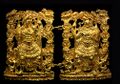 A man with a bayonet, Tillya Tepe, 1st first century AD
 -
 An example of gold jewelry left from the Western Scythians in Tillya Tepe, 1st century AD
 -
 Tilia Tepe (Tillya Tepe) gold token. 1st century BCE – 1st century AD
 -
 A statue of the face, Ai Khanam, 2nd century BCE
 -
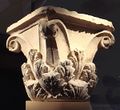 Headstone of Crete, Ikhanem, 2nd century BCE
 -
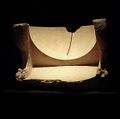 Sun dial from Ai-Khanoum
 -
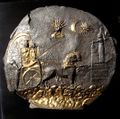 A tablet showing Cybele being drawn by two lions, Ai-Khanoum, 2nd century BCE
 -
 Tepe Fullol bowl fragment, 3rd millennium BCE
 -
Rabatak inscription, written in the Bactrian language and Greek script, found in 1993


,_3rd_millennium_BCE,_National_Museum_of_Afghanistan.jpg&filetimestamp=20230408204327&)
انظر أيضاً
المراجع
- ^ أ ب ت ث "Over 50 instances of artifact smuggling prevented in last 18 months: officials". Ariana News. March 21, 2023. Retrieved 2023-03-22.
- ^ أ ب "Director Says National Museum Needs Larger Building for Major Exhibits". TOLOnews. 12 October 2022. Retrieved 2023-03-22.
- ^ "The Taliban destroyed Afghanistan's ancient treasures. Will history repeat itself?". National Geographic Society. August 14, 2021. Archived from the original on August 13, 2021. Retrieved 2023-03-22.
- ^ "National Museum of Afghanistan express growing concerns for the safety of ancient artefacts in the region". Mashable. August 18, 2021. Retrieved 2023-03-22.
- ^ From Our Own Correspondent - a celebration of fifty years of the BBC Radio Programme by Tony Grant
- ^ Games without Rules: The Often-Interrupted History of Afghanistan by Tamim Ansary
- ^ أ ب Girardet, Edward; Jonathan Walter, eds. (1998). Afghanistan. Geneva: CROSSLINES Communications, Ltd. p. 291.
- ^ أ ب ت Lawson, Alastair (1 March 2011). "Afghan gold: How the country's heritage was saved". BBC. Retrieved 1 March 2011.
- ^ Burns, John F. (30 November 1996). "Kabul's Museum: The Past Ruined by the Present". The New York Times.
- ^ أ ب (31 January 2012) Germany returns Afghan sculpture bbc.co.uk/news/
- ^ أ ب (19 July 2012) Looted art returned to Afghanistan, bbc.co.uk
- ^ Afghanistan: Hidden Treasures from the National Museum, Kabul (2008), p. 35. Eds., Friedrik Hiebert and Pierre Cambon. National Geographic, Washington, D.C. ISBN 978-1-4262-0374-9.
- ^ Meharry, Joanie Eva "The National Museum of Afghanistan: In Times of War" Archived 2010-09-06 at the Wayback Machine, The Levantine Review
- ^ "National Museum of Afghanistan - SILK ROAD". en.unesco.org.
- ^ أ ب Grissmann, Carla (February 19, 2004). "KABUL MUSEUM". In Ehsan Yarshater (ed.). Encyclopædia Iranica (Online ed.). United States: Columbia University.
- ^ "Museum Under Siege: Full Text - Archaeology Magazine Archive". archive.archaeology.org.
- ^ "Destruction in Kabul: I watched as the Taliban destroyed my life's work". BBC News. 20 January 2016. Archived from the original on February 12, 2018. Retrieved 15 February 2019.
- ^ "Taliban destroyed museum exhibits". The Daily Telegraph. 23 November 2001.
- ^ Afghanistan: Hidden Treasures from the National Museum, Kabul (2008), pp. 37-53. Eds., Friedrik Hiebert and Pierre Cambon. National Geographic, Washington, D.C. ISBN 978-1-4262-0374-9.
- ^ "Interviews: Priceless Afghan Treasures Recovered". NPR.org.
- ^ "Afghan treasures return to Kabul". BBC News. 17 March 2007.
- ^ أ ب "Afghan national museum chief on institute's future: 'I was ready to give my life for it'". The National. 2021-09-15. Retrieved 2021-10-04.
- ^ "U.S. and Afghan Officials Inaugurate New Facilities for the National Museum". kabul.usembassy.gov. December 5, 2013. Archived from the original on February 1, 2014. Retrieved 2014-01-24.
- ^ "57 Ancient Coins Handed Over to National Museum". TOLOnews. March 22, 2023. Retrieved 2023-03-22.
- ^ "National Museum Displays 1,200 Recovered Artifacts". TOLOnews. May 20, 2021. Retrieved 2023-03-22.
- ^ Tissot, F (2006) Catalogue of the National Museum of Afghanistan 1931-1985, UNESCO Publishing
- ^ Göbl, Robert (4 July 1962). "Report on mission as field expert numismatist at the National Museum at Kabul: Afghanistan" (PDF). UNESCO. Retrieved 15 February 2019.
- ^ Ghrishman, 1946
- ^ Curiel, R and Schlumberger, D (1953) Tresors Monetaires D'Afghanistan MDAFA XIV: 65-97
- ^ Journal of the Oriental Numismatic Society, No. 207
- ^ Cambon, P Afghanistan les tresors retrouves, Paris 2007
وصلات خارجية
- Visiting the National Museum of Afghanistan at YouTube (Shamshad TV, Nov. 7, 2024 )
- The National Museum of Afghanistan at YouTube
Kabul
کابل | |
|---|---|
Province | |
 Map of Afghanistan with Kabul highlighted | |
| الإحداثيات: 34°00′N 69°00′E / 34.00°N 69.00°E | |
| Country |  أفغانستان أفغانستان |
| العاصمة | كابول |
| الحكومة | |
| • Governor | Ahmadullah Alizai |
| المساحة | |
• الإجمالي | 4٬461٫6 كم² (1٬722٫6 ميل²) |
| التعداد (2015)[1] | |
• الإجمالي | 4٬372٬977 |
| • الكثافة | 980/km2 (2٬500/sq mi) |
| منطقة التوقيت | UTC+4:30 |
| رمز ISO 3166 | AF-KAB |
| Main languages | Pashto Dari |
ولاية کابول (کابل: بالباشتو والفارسية) إحدی محافظات الـ 34 بأفغانستان والتی تقع وسط البلاد. مدينة کابول هی العاصمة الإقليمية وفی نفس الوقت عاصمة أفغانستان أيضاً وترتفع 1800 متراً (5900 قدم) عن مستوی البحر وهی بذالک من إحدی أرفع العواصم فی العالم. فی القرن الـ 13 الميلادی، لمع نجم کابول فی سماء عالم التعليم والجمال الجغرافي ولکن لحقت بها الأضرار لاحقاً وتضررت جراء هطول أمطار غزيرة، ثلوج کثيفة، فيضانات، عواصف، حروب، مناوشات. تجمع کابول معظم کبری سفارات العالم والوزارات الأفغانية ومراکز هامة وهی بذالک تزدهر يوماً بعد يوم والحاکم الحالی لکابول هو الحاج دين محمد.
الجغرافيا

تقع کابول بوادی وسط جبال مرتفعة شمالاً وجنوباً وشرقاً وغرباً. بلدة تشاريکار تزين شمالی العاصمة حيث يتکون صقيع هائل خلال فترة الشتاء القارص ومع بداية فصل الربيع فی البلاد، ينصهر الجليد رويداً حيث تتدفق المياه إلی المناطق الريفية والتی تتسبب بفيضانات عارمة تجتاح معظم المناطق ووجود آبار ارتوازية هناک خير دليل علی ذالک.
يحيط بکابول جبل بغمان شرقاً وفيها نهر واحد والذی يعرف بـ نهر کابول. طقس بارد وجاف فی الشتاء وحار فی الصيف وشوارع وطرقات ترابية ومتدنسة من مايو/أيار إلی نوفمبر/ تشرين الأول نتيجة عدم هطول الأمطار. تتراوح درجات الحرارة فی الصيف من 15+ إلی 30 + درجة و 15- إلی 20 - درجة فی الشتاء.
تبلغ درجة الحرارة فی العاصمة فی شهر يناير إلی 12- و 25+ فی يوليو.
التاريخ

يرجع تاريخ کابول إلی أکثر من 5000 سنة حيث کانت مرکزاً للديانة الزردشتية والبوذية. حاول العرب فتح مدينة کابول فی القرن السابع الميلادي ولکنهم تکبدوا خسائر فادحة وإنهزموا من قبل ملک کابول الهندوسي. قام محمود الغزنوي بفتح کابول عام 1002 عقب انتحار الملک الهندوسي جی بالة.
تحولت کابول إلی عاصمة أفغانستان عام 1504 لکنها کانت تحت إدارة الحکم المغولي بعدما استولی عليها نادر شاه من بلاد الفارس عام 1738، ثم أحمد شاه الدراني والذی حول محافظة قندهار الجنوبية إلی عاصمة أفغانستان فی عام 1776.
إبان الحرب الأفغانية الإنکليزية فی 1839، استولی الجيش البريطانی علی کابول وفی عام 1842 تعرضت القوات البريطانية المنسحبة لکمين ولکن بالمقابل قامت فرقة مقاتلة أخری تابعة للجيش الإنکليزی آنذاک بإضرام نيران فی العاصمة کابول وأحرقتها وفی عام 1879، أعاد الجيش البريطانی سيطرته علی کابول عقب تعرض قواته لمذبحة بيد الأفغان. فی ديسمبر 23- 1979، حطت طائرات الجيش السوفياتی بمطار کابول الدولي معلنة قيام حکومة شيوعية بأفغانستان علی غرار النظام الشيوعی بموسکو.
احتضنت کابول مرکز قيادة الجيش السوفياتی لـ 10 سنوات متتالية خلال تواجده العسکری فی أفغانستان ولکن فی فبراير 1989، انسحبت القوات السوفياتية من کابول بعد هزيمة نکراء لحقت بها علی أيدی المجاهدين الأفغان. فی ربيع 1992، إنهار نظام الرئيس محمد نجيب الله المنصوب سوفياتياً وسقطت کابول بأيدی المجاهدين الأفغان وبداء العد التنازلی لتدميرها عقب نشوب حرب أهلية بين مختلف فصائل حرکة المجاهدين الأفغان وفشلهم فی التوصل إلی هدنة لوقف الاقتتال الداخلی. سيطرت حرکة طالبان علی کابول فی 1996 معلنةً تطبيق الشريعة الإسلامية فی البلاد والتی شملت المدارس، الجامعات، الحکومة، الزی الإسلامي، الأغذية وسمحت لتنظيم القاعدة بتوسيع صلاحياته وأنشطته داخل الأراضی الأفغانية مما أثرت علی حياة المواطنين الأفغان. شعر معظم الأفغان بالارتياح من قرار تطبيق الشريعة بينما أبدیء الآخرون تخوفهم وعدم رضاءهم.
تعرض مرکز التجارة العالمي فی نيويورک لهجمات من قبل ما يعتقد البعض أنه تنظيم القاعدة بزعامة أسامة بن لادن في 11 سبتمبر 2001 مما دفع صانعي القرار فی البيت الأبيض إلی التفکير بالزحف علی أفغانستان واحتلالها وفی 12 نوفمبر 2001، دخلت القوات الأمريکية أفغانستان واحتلت کابول وأجبرت مسلحی طالبان بالانسحاب منها.
دخلت کابول فی مرحلة جديدة بفضل الاحتلال الأمريکی، تغير النظام الحکومی ووجدت أمريکا أصديقاء جدد فی أفغانستان واستهلت عملية إعادة بناء المؤسسات الحکومية والمنشآت العسکرية والمدارس والجامعات وإلـخ.
السياسة
اشتهرت کابول بسياساتها الفذة وکثرة أمرائها وسادتها. استولی عليها أمراء کثيرون عقب سقوط نظام محمد نجيب الله. جاءت طالبان بقوانينها الخاصة وأعلنت زعيماً روحياً واحداً لأفغانستان وهو الملا محمد عمر الذی حکم البلاد حتی أکتوبر 7، 2001. ظهرت سياسات وإستراتيجيات خاصة فی محاولة لإخراج کابول من الاحتقان.
تم عقد لويا جيرغا أی المجلس الأعلی للعشائر فی کابول لحل کافة المشاکل التی حاقت بالعاصمة وسن قوانين جديدة. مُنح سکان کابول حق التصويت والاقتراع فی الانتخابات. بعد جدولة الانتخابات فی البلاد، جرت انتخابات رئاسية فی أفغانستان فی أکتوبر 9 / 2004 وصوت أکثر من 8 ملايين أفغان فی الانتخابات والهيئة الانتخابية المشترکة أعلنت فوز الرئيس حامد کرزی فی الانتخابات بنسبة 55.4 % من الأصوات.
استطاعت کابول صيانة الدستور الأفغانی بمساعدة الأمم المتحدة وأمريکا وتم إعلان أفغانستان کدولة إسلامية ذات سيادة واستقلال فی يناير 2004. حسب ما ينص الدستور فإن الحکومة الأفغانية تتشکل من رئيس قادر وقوي ونائبين للرئيس والجمعية الوطنية المکونة من مجلسين – مجلس الشعب أی ولسی جيرغا ومجلس الوجهاء أی مشرانو جيرغا وهناک سلطات قضائية مستقلة أخری.
الاقتصاد
اعتمد اقتصاد کابول علی السياحة فی الدرجة الأولی بين 1960 و 1970. صناعة القطن، القماش، المنسوجات والمفروشات توسعت بکابول ولکن الحرب قضت عليها بشکل سلبی. المنتجات المحلية بکابول تشمل الغاز الطبيعی، القطن، المفروشات، الزراعة وبعض من الشرکات الإنتاج الخاصة هناک. تساهم کابول فی التجارة مع الدول التالية: إنکلترا، أمريکا، فرنسا، آلمانيا، الهند، باکستان، کوريا الجنوبية، ترکمانستان، کينيا، روسيا، الصين، إيران، أزبکستان وطاجکستان ودول أخری. تأثر اقتصاد کابول بفعل الاحتلال الأمريکی لها وحسب التقديرات، فإنه تحسن حوالی 3500% بعد کساد دام أکثر من 25 سنة.
انطلاق عُملة أفغانية جديدة عام 2002 ساهم بشکل ملحوظ فی نمو الاقتصاد الأفغانی. استهلت معظم الشرکات الأمريکية والأجنبية أعمالها فی کابول وفتحت مکاتب لها فی بقية الأقاليم الأفغانية. تم تدشين مرکز کابول التجاری مؤخراً. تساعد الأمم المتحدة والمنظمات الدولية الحکومة الأفغانية فی التنمية الاقتصادية فی مختلف المجالات.
التشکيلة السکانية
يتحدث سکان کابول الباشتو والدارية والتکلم باللغتين أفضل بکابول نظراً لتدفق مواطنين آخرين من أقاليم أفغانية شتی إلی العاصمة. يشکل الطاجيک الأکثرية بکابول إلی جانب البشتون ولکن هناک أقليات أخری مثل الهزارة، الأوزبک، الترکمان، البلوش، السيخ والهنود. تستوطن کابول حوالی 85 % من المسلمين السنة والـ 14% الآخرين من الشيعة و 1% من السيخ والهنود.
الديمغرافيا والتقسيم الاداري

| المقاطعة | العاصمة | التعداد | المساحة[2] | الأعراق (%)[3] | ملاحظات |
|---|---|---|---|---|---|
| Bagrami | Bagrami | 85,000 | Pashtuns (majority) Tajiks[4] |
||
| Chahar Asyab | Qalai Naeem | 32,500 | Pashtuns, Tajiks[5] | ||
| Deh Sabz | Tarakhel | 47,900 | 55% Pashtuns 45% Tajiks[6] |
||
| Farza | Dehnawe Farza | 19,100 | Pashtuns and Tajiks[7] | Created in 2005 from Mir Bacha Kot District | |
| Guldara | Guldara | 25,213 | 80% Tajiks 20% Pashtuns[8] |
||
| Istalif | Istalif | 29,800 | Tajik[9] | ||
| Kabul | Kabul | 3,289,000[10] | 45% Tajiks, 25% Pashtuns, 25% Hazaras, 2% Uzbeks,1 % Baloch, 1% Turkmen, and 1% Hindu[11] | ||
| Kalakan | Kalakan | 26,900 | Predominantly Tajik, some Pashtun[12] | ||
| Khaki Jabbar | Khak-i Jabbar | 75,000 | 65% Pashtuns 35% Tajiks[13] |
||
| Mir Bacha Kot | Mir Bacha Kot | 46,300 | Predominantly Tajik, some Pashtun[14] | Sub-divided in 2005 | |
| Mussahi | Mussahi | 30,000 | Pashtuns, Tajiks[15] | ||
| Paghman | Paghman | 150,000 | 60% Pashtuns 40% Tajiks[16] |
||
| Qarabagh | Qara Bagh | 67,700 | 60% Tajiks 40% Pashtuns[17] |
||
| Shakardara | Shakar Dara | 72,900 | Tajik majority[18] | ||
| Surobi | Surobi | 150,000 | 75% Pashtuns 3% Tajiks and the rest are Pashais[19] |
التعليم
تعتبر کابول المرکز الرئيسی للتعلم فی البلاد حيث تستقبل أعداداً هائلة من الطلاب والطالبات سنوياً. هناک الکثير من المدارس والکليات والجامعات بکابول والتی فتحت أبوابها مؤخراً للدارسين والدارسات. لقد تدنی مستوی التعليم فی البلاد جراء الحروب الداخلية ولکن مع مرور الزمن تغيرت فکرة الناس تجاه التعليم وهناک آلاف الأسر والتی تشجع أبناءها بالتوجه نحو المدارس والجامعات لتلقی التعليم. لقد تحولت المدارس فی خضم المعارک إلی ساحات مفتوحة للقتال فی کابول.
بعد مجیء الحکومة الحالية، عاد ملايين اللاجئين الأفغان إلی أرض الوطن من باکستان وإيران حاملين معهم شهادات دراسية عليا.
الجامعات بکابول

- جامعة کابول
- الجامعة الأمريکية في کابول
- Polytechnical University of Kabul
- National Military Academy of Afghanistan
- Kabul Medical University
- Kardan University
- جامعة بختر
- Salam University
- Dawat University
- Karwan University
- Rana Institute of Higher Education
- Afghanistan Technical Vocational Institute
- جامعة مريم
- جامعة كاتب
الرياضة
کابول مهد رياضة بُزکشی أی جر الماعز التقليدية. تتنافس الفرق الرياضية من أفغانستان وطاجيکستان وأوزبکستان وإيران وباکستان فی المباريات الودية بملاعب کابول. هناک الکثير من الفرق والتی تشارک فی رياضات أخری مثل کرة القدم، کرة السلة، کرة الطاولة، کرة الطائرة، الملاکمة، التايکواندو، الکونفو، كمال الأجسام ورفع الأثقال وإلخ. هناک الکثير من الملاعب الرياضية فی کابول ومن أهم وأکثرها شهرة هو ملعب الغازی أمان الله خان. تدرب معظم الأفغان المقيمين بباکستان علی رياضة الکريکت بعد عودتهم للبلاد استطاعوا أن يشارکوا فی المنافسات الإقليمية والدولية ونالوا علی جوائر ووسائم شرف.
انظر أيضاً
مراجع
- ^ Afghanistan at Geohive
- ^ Afghanistan Geographic & Thematic Layers
- ^ Ethnic demographic statistics taken from http://www.aims.org.af
- ^ http://www.aims.org.af/afg/dist_profiles/unhcr_district_profiles/centra/kabul/bagrami.pdf[dead link]
- ^ UNHCR Sub-Office Central Region - District Profile - Char Asiab[dead link] (PDF) Retrieved on 2011-1-22.
- ^ UNHCR Sub-Office Central Region - District Profile - Deh Sabz[dead link] (PDF) Retrieved on 2011-1-22.
- ^ UNHCR Sub-Office Central Region - District Profile - Farza (PDF) Retrieved on 2011-1-22.
- ^ http://www.mrrd-nabdp.org/attachments/article/138/Kabul_Guldara%20English%20summary%20finalized.pdf
- ^ UNHCR Sub-Office Central Region - District Profile - Istalif (PDF) Retrieved on 2011-1-22.
- ^ Afghanistan Statistical Yearbook 2012/13 (PDF), Central Statistics Office Afghanistan
- ^ "2003 National Geographic Population Map" (PDF). Thomas Gouttierre, Center For Afghanistan Studies, University of Nebraska at Omaha; Matthew S. Baker, Stratfor. National Geographic Society. November 2003. Retrieved 2010-06-27.
- ^ UNHCR Sub-Office Central Region - District Profile - Kalakan (PDF) Retrieved on 2011-1-22.
- ^ UNHCR Sub-Office Central Region - District Profile - Khak-e-Jabbar (PDF) Retrieved on 2011-1-22.
- ^ UNHCR Sub-Office Central Region - District Profile - Mir Bacha Kot[dead link] (PDF) Retrieved on 2011-1-22.
- ^ UNHCR Sub-Office Central Region - District Profile - Mussahi[dead link] (PDF) Retrieved on 2011-1-22.
- ^ UNHCR Sub-Office Central Region - District Profile - Paghman[dead link] (PDF) Retrieved on 2011-1-22.
- ^ UNHCR Sub-Office Central Region - District Profile - Qarabagh (PDF) Retrieved on 2011-1-22.
- ^ UNHCR Sub-Office Central Region - District Profile - Shakardara (PDF) Retrieved on 2011-1-22.
- ^ UNHCR Sub-Office Central Region - District Profile - Sarobi (PDF) Retrieved on 2011-1-22.
وصلات خارجية
أماكن قريبة من متحف أفغانستان الوطني | |
|---|---|


 | ||


تم كشف حلقة قالب: قالب:Kabul Province
- Pages using gadget WikiMiniAtlas
- Articles with dead external links from November 2016
- الصفحات بحلقات قالب
- Short description with empty Wikidata description
- Coordinates not on Wikidata
- Articles containing Dari-language text
- Articles containing Pashto-language text
- Pages using infobox settlement with deprecated parameters
- Portal-inline template with redlinked portals
- Pages with empty portal template
- Articles with hatnote templates targeting a nonexistent page
- ولاية كابل
- ولايات أفغانستان
- متاحف أفغانستان
- مباني ومنشآت في كابول
- مباني حكومية اكتملت في 1922
- متاحف تأسست في 1922
- صفحات مع الخرائط