قائمة الطيور
.jpg&filetimestamp=20250831142330&)

This article lists living orders and families of birds. In total there are about 11,000 species of birds described as of 2024,[1] though one estimate of the real number places it at almost 20,000.[2] The order passerines (perching birds) alone accounts for well over 5,000 species.
Taxonomy is very fluid in the age of DNA analysis, so comments are made where appropriate, and all numbers are approximate. In particular see Sibley-Ahlquist taxonomy for a very different classification.
Phylogeny
Cladogram of modern bird relationships based on Stiller et al (2024).,[3] showing the 44 orders recognised by the IOC.[4]
_white_background.jpg&filetimestamp=20240404223234&)


_(Antwerpener_Breiftaube).jpg&filetimestamp=20250831142851&)


_(Tauraco_persa).jpg&filetimestamp=20220422062108&)

.jpg&filetimestamp=20220422062108&)


_white_background.jpg&filetimestamp=20220422062043&)


_white_background.jpg&filetimestamp=20220422062039&)


_(white_background).jpg&filetimestamp=20250831142855&)


Subclass Palaeognathae
The Palaeognathae or "old jaws" is one of the two superorders recognized within the taxonomic class Aves and consist of the ratites and tinamous. The ratites are mostly large and long-legged, flightless birds, lacking a keeled sternum. Traditionally, all the ratites were place in the order Struthioniformes. However, recent genetic analysis has found that the group is not monophyletic, as it is paraphyletic with respect to the tinamous, so the ostriches are classified as the only members of the order Struthioniformes and other ratites placed in other orders.[5][6]
Order Struthioniformes


Africa; 2 species
- Family Struthionidae: ostrich
Infraclass Notopalaeognathae
Order Rheiformes
South America; 2 species
- Family †Opisthodactylidae
- Family Rheidae: rheas
Order Casuariiformes
Australasia; 4 species
- Family Casuariidae: cassowaries and emu
Order Apterygiformes
Australasia; 5 species
- Family Apterygidae: kiwis
Order †Aepyornithiformes
Madagascar
- Family Aepyornithidae: elephant birds
Order †Dinornithiformes
New Zealand
- Family Megalapteryidae: upland moas
- Family Dinornithidae: great moas
- Family Emeidae: lesser moas
Order Tinamiformes
South America; 45 species
- Family Tinamidae: tinamous
Subclass Neognathae
Nearly all living birds belong to the subclass Neognathae or "new jaws". With their keeled sternum (breastbone), unlike the ratites, they are known as carinatae.
Infraclass Galloanserae
Order Galliformes

Worldwide; 250 species
- Family †Sylviornithidae
- Suborder Megapodii
- Family Megapodidae: megapodes
- Suborder Craci
- Family Cracidae: chachalacas, curassows, and guans
- Suborder Phasiani
- Superfamily Numidioidea
- Family Numididae: guineafowl
- Superfamily Phasianoidea: pheasants and allies
- Family Odontophoridae: New World quail
- Family Phasianidae: pheasants and relatives
- Superfamily Numidioidea
Order †Gastornithiformes
- Family Gastornithidae (see Gastornis)
- Family Dromornithidae: mihirungs
Order Anseriformes
Worldwide; 150 species
- Family Anhimidae: screamers
- Family Anseranatidae: magpie-goose
- Family Anatidae: ducks, geese, and swans
Infraclass Neoaves
Superorder Mirandornithes
Order Podicipediformes
Worldwide; 19 species
- Family Podicipedidae: grebes
Order Phoenicopteriformes
Worldwide; 6 species
- Family †Palaelodidae: swimming flamingos
- Family Phoenicopteridae: flamingos
Superorder Columbimorphae
Order Columbiformes
Worldwide; 300 species
- Family Columbidae: pigeons and doves
Order Pterocliformes
Africa, Europe, Asia; 16 species
- Family Pteroclidae: sandgrouse
Order Mesitornithiformes
Madagascar; 3 species
- Family Mesitornithidae: mesites
Grandorder Strisores
Order Caprimulgiformes
Worldwide; 97 species
- Family Caprimulgidae: nightjars
Order Steatornithiformes
South America; 1 species
- Family Steatornithidae: oilbird
Order Nyctibiiformes
Americas; 7 species
- Family Nyctibiidae: potoos
Order Podargiformes
_2.jpg&filetimestamp=20250831142328&)
Asia and Australasia; 14 species
- Family Podargidae: frogmouths
Order Aegotheliformes
Australasia; 10 species
- Family Aegothelidae: owlet-nightjars
Order Apodiformes
Worldwide; 478 species
- Family Hemiprocnidae: treeswifts
- Family Apodidae: swifts
- Family Trochilidae: hummingbirds
Grandorder Otidimorphae
Order Cuculiformes
Worldwide; 150 species
- Family Cuculidae: cuckoos and relatives
Order Musophagiformes
Africa; 23 species
- Family Musophagidae: turacos and relatives
Order Otidiformes
Africa and Eurasia; 27 species
- Family Otididae: bustards
Superorder Gruae
Order Opisthocomiformes
South America; 1 species
- Family Opisthocomidae: hoatzin
Order Gruiformes
Worldwide; 164 species
- Suborder Grui: cranes and allies
- Family Gruidae: cranes
- Family Aramidae: limpkin
- Family Psophiidae: trumpeters
- Suborder Ralli: rails and allies
- Family †Aptornithidae: adzebills
- Family Heliornithidae: finfoots
- Family Sarothruridae: flufftails
- Family Rallidae: rails and relatives
Order Charadriiformes
Worldwide; 350 species
- Suborder Charadrii
- Infraorder Chionida: thick-knees and allies
- Family Burhinidae: thick-knees and relatives
- Family Chionididae: sheathbills
- Family Pluvianellidae: Magellanic plover
- Infraorder Charadriida: plover-like waders
- Family Pluvialidae: golden plovers
- Family Ibidorhynchidae: ibisbill
- Family Haematopodidae: oystercatchers
- Family Recurvirostridae: avocets and stilts
- Family Charadriidae: plovers and lapwings
- Infraorder Chionida: thick-knees and allies
- Suborder Scolopaci
- Infraorder Jacanida: jacana-like waders
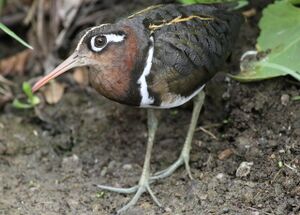
Greater painted-snipe 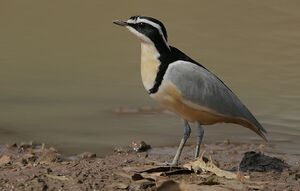
Egyptian plover - Family Jacanidae: jacanas
- Family Thinocoridae: seedsnipes

Plains-wanderer
- Infraorder Scolopacida
- Family Scolopacidae: sandpipers and relatives
- Infraorder Jacanida: jacana-like waders
- Suborder Lari
- Infraorder Turnicida
- Family Turnicidae: buttonquail
- Infraorder Larida: gulls and allies
- Family Glareolidae: coursers and pratincoles
- Family Dromadidae: crab-plover
- Family Stercorariidae: skuas and jaegers
- Family Alcidae: auks and puffins
- Family Laridae: gulls, skimmers and terns
- Infraorder Turnicida
.jpg&filetimestamp=20250831142328&)
.jpg&filetimestamp=20190911175821&)

Grandorder Eurypygimorphae
Order Eurypygiformes
Neotropics and New Caledonia; 2 species
- Family Rhynochetidae: kagu
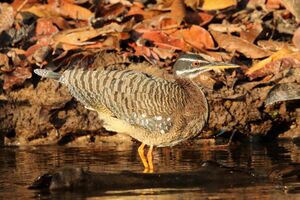
Sunbittern
.JPG&filetimestamp=20250116045510&)
Order Phaethontiformes
Oceanic; 3 species
- Family Phaethontidae: tropicbirds
Grandorder Aequornithes
Order Gaviiformes
North America, Eurasia; 5 species
- Family Gaviidae: loons
Order Sphenisciformes
Antarctic and southern waters; 17 species
- Family Spheniscidae: penguins
Order Procellariiformes
Pan-oceanic; 120 species
- Family Diomedeidae: albatrosses
- Family Oceanitidae: austral storm petrels
- Family Hydrobatidae: northern storm petrels
- Family Procellariidae: petrels and relatives
Order Ciconiiformes
Worldwide; 19 species
_(5).jpg&filetimestamp=20250831142327&)
- Family Ciconiidae: storks
Order Suliformes
Worldwide; 59 species
- Suborder Fregatae
- Family Fregatidae: frigatebirds
- Suborder Sulae
- Family Sulidae: boobies and gannets
- Family Anhingidae: darters
- Family Phalacrocoracidae: cormorants and shags
Order Pelecaniformes
_about_to_eat_a_fish.jpg&filetimestamp=20250831142327&)
Worldwide; 108 species
- Suborder Threskiornithes
- Family Threskiornithidae: ibises and spoonbills
- Suborder Pelecani
- Family Scopidae: hamerkop
- Family Balaenicipitidae: shoebill
- Family Pelecanidae: pelicans
- Suborder Ardeae
- Family Ardeidae: herons and relatives
Grandorder Afroaves
Order Accipitriformes

Worldwide; 260 species
- Suborder Cathartae
- Family Cathartidae: New World vultures
- Suborder Accipitres
- Family Sagittariidae: secretarybird
- Family Pandionidae: osprey
- Family Accipitridae: hawks, eagles, buzzards, harriers, kites and Old World vultures
Order Strigiformes
Worldwide; 250 species
Order Coliiformes

Sub-Saharan Africa; 6 species
- Family Coliidae: mousebirds
Order Leptosomiformes
Madagascar; 1 species
- Family Leptosomidae: cuckoo-roller
Order Trogoniformes
Sub-Saharan Africa, Americas, Asia; 35 species
- Family Trogonidae: trogons and quetzals
Order Bucerotiformes
Old World, New Guinea; 64 species
- Superfamily Buceroidea
- Family Bucerotidae: hornbills
- Superfamily Upupoidea
- Family Upupidae: hoopoe
- Family Phoeniculidae: woodhoopoes
Order Coraciiformes
Worldwide; 144 species
- Suborder Meropi
- Family Meropidae: bee-eaters
- Suborder Coracii
- Family Coraciidae: rollers
- Family Brachypteraciidae: ground rollers
- Suborder Alcedines
- Family Todidae: todies
- Family Momotidae: motmots
- Family Alcedinidae: kingfishers
_in_Hyderabad_W_IMG_8523.jpg&filetimestamp=20250831142325&)
Order Piciformes
Worldwide except Australasia; 400 species
- Suborder Galbuli
- Family Galbulidae: jacamars
- Family Bucconidae: puffbirds
- Suborder Pici
- Family Lybiidae: African barbets
- Family Megalaimidae: Asian barbets
- Family Ramphastidae: toucans
- Family Semnornithidae: toucan barbets
- Family Capitonidae: American barbets
- Family Indicatoridae: honeyguides
- Family Picidae: woodpeckers
Grandorder Australaves
Order Cariamiformes
South America; 2 species
- Family Cariamidae: seriemas
Order Falconiformes
Worldwide; 60 species
- Family Falconidae: falcons and relatives
Order Psittaciformes
Pan-tropical, southern temperate zones; 330 species
- Superfamily Strigopoidea
- Family Strigopidae: kakapo
- Family Nestoridae: kea and kakas
- Superfamily Cacatuoidea
- Family Cacatuidae: cockatoos and cockatiel
- Superfamily Psittacoidea
- Family Psittacidae: African and American parrots
- Family Psittaculidae: Australasian parrots
- Family Psittrichasiidae: Pesquet's parrot, vasa parrots
Order Passeriformes


Worldwide; 6,500 species
- Suborder Acanthisitti
- Family Acanthisittidae: New Zealand wrens
- Suborder Tyranni: suboscines
- Infraorder Eurylaimides: Old World suboscines
- Family Sapayoidae: sapayoa
- Family Calyptomenidae: Calyptomenid broadbills
- Family Pittidae: pittas
- Family Eurylaimidae: broadbills
- Family Philepittidae: asities
- Infraorder Tyrannides: New World suboscines
- Parvorder Tyrannida: bronchophones
- Family Pipridae: manakins
- Family Cotingidae: cotingas
- Family Oxyruncidae: sharpbills
- Family Onychorhynchidae: royal flycatchers and allies
- Family Tityridae: becards and tityras
- Family Pipritidae: pipriteses
- Family Platyrinchidae: spadebills
- Family Tachurididae: many-colored rush tyrants
- Family Rhynchocyclidae: mionectine flycatchers
- Family Tyrannidae: tyrant flycatchers
- Parvorder Furnariida: tracheophones
- Family Melanopareiidae: crescent-chests
- Family Conopophagidae: gnateaters
- Family Thamnophilidae: antbirds
- Family Grallariidae: antpittas
- Family Rhinocryptidae tapaculos
- Family Formicariidae: ground antbirds
- Family Furnariidae: ovenbirds
- Parvorder Tyrannida: bronchophones
- Infraorder Eurylaimides: Old World suboscines
- Suborder Passeri: oscines
- Infraorder Menurides
- Family Atrichornithidae: scrub-birds
- Family Menuridae: lyrebirds
- Infraorder Climacterides
- Family Ptilonorhynchidae: bowerbirds
- Family Climacteridae: Australasian treecreepers
- Infraorder Meliphagides
- Family Maluridae: Australasian wrens
- Family Dasyornithidae: bristlebirds
- Family Pardalotidae: pardalotes
- Family Acanthizidae: gerygones, thornbills and allies
- Family Meliphagidae: honeyeaters and relatives
- Infraorder Orthonychides
- Family Pomatostomidae: Australasian babblers
- Family Orthonychidae: logrunners
- Infraorder Corvides
- Superfamily Cinclosomatoidea
- Family Cinclosomatidae: quail-thrushes and jewel-babblers
- Superfamily Campephagoidea
- Family Campephagidae: cuckoo-shrikes
- Superfamily Mohouoidea
- Family Mohouidae: whitehead and allies
- Superfamily Neosittoidea
- Family Neosittidae: sittellas
- Superfamily Orioloidea
- Family Eulacestomidae: wattled ploughbills
- Family Psophodidae: whipbirds and quail-thrushes
- Family Oreoicidae: Australo-Papuan bellbirds
- Family Falcunculidae: crested shriketits
- Family Paramythiidae: painted berrypeckers
- Family Vireonidae: vireos, greenlets and shrike-babblers
- Family Pachycephalidae: whistlers and relatives (Colluricinclidae)
- Family Oriolidae: Old World orioles
- Superfamily Malaconotoidea
- Family Machaerirhynchidae: boatbills
- Family Artamidae: woodswallows and butcherbirds
- Family Rhagologidae: mottled berryhunter
- Family Aegithinidae: ioras
- Family Pityriaseidae: bristlehead
- Family Malaconotidae: bushshrikes and relatives
- Family Platysteiridae: wattle-eyes and batises
- Family Vangidae: vangas (Tephrodornithidae; Prionopidae)
- Superfamily Corvoidea
- Family Rhipiduridae: fantails
- Family Lamproliidae: silktail, drongo fantail
- Family Dicruridae: drongos
- Family Ifritidae: blue-capped ifrits
- Family Melampittidae: melampittas
- Family Corcoracidae: Australian mudnesters
- Family Paradisaeidae: birds-of-paradise
- Family Monarchidae: monarch flycatchers
- Family Laniidae: shrikes
- Family Corvidae: jays and crows
- Family Platylophidae: crested jayshrikes
- Superfamily Cinclosomatoidea
- Infraorder Passerides
- Parvorder Melanocharitida
- Family Melanocharitidae: berrypeckers
- Parvorder Cnemophilida
- Family Cnemophilidae: satinbirds
- Parvorder Petroicida
- Family Petroicidae: Australasian robins
- Family Notiomystidae: stitchbird
- Family Callaeidae: wattlebirds
- Parvorder Eupetida
- Family Picathartidae: rockfowl
- Familt Chaetopidae: rock-jumpers
- Family Eupetidae: rail-babbler
- Parvorder Sylviida
- Superfamily Paroidea
- Family Stenostiridae: fairy warblers
- Family Hyliotidae: hyliotas
- Family Remizidae: penduline tits
- Family Paridae: chickadees and true tits
- Superfamily Alaudoidea
- Family Nicatoridae: nicators
- Family Panuridae: bearded reedling
- Family Alaudidae: larks
- Family Macrosphenidae: African warblers
- Superfamily Locustelloidea
- Family Cisticolidae: cisticolas and relatives
- Family Acrocephalidae: marsh warblers
- Family Pnoepygidae: pygmy wren-babblers
- Family Locustellidae: grass warblers
- Family Donacobiidae: donacobius
- Family Bernieridae: Malagasy warblers
- Family Hirundinidae: swallows and martins
- Family Pycnonotidae: bulbuls
- Superfamily Aegithaloidea
- Family Phylloscopidae: leaf warblers
- Family Cettiidae: bush warblers (Erythrocercidae; Scotocercidae)
- Family Hyliidae: hylias
- Family Aegithalidae: bushtits
- Superfamily Sylvioidea
- Family Sylviidae: true warblers
- Family Paradoxornithidae: parrotbills, fulvettas
- Family Zosteropidae: white-eyes
- Family Timaliidae: babblers and relatives
- Family Pellorneidae: fulvettas, ground babblers
- Family Leiothrichidae: laughing thrushes
- Superfamily Paroidea
- Parvorder Muscicapida
- Superorder Reguloidea
- Family Regulidae: kinglets
- Superfamily Bombycilloidea
- Family Elachuridae: spotted wren-babblers
- Family †Mohoidae: Hawaiian honeyeaters
- Family Ptiliogonatidae: silky-flycatchers
- Family Bombycillidae: waxwings
- Family Dulidae: palmchat
- Family Hypocoliidae: hypocolius
- Family Hylocitreidae: hylocitrea
- Superfamily Certhioidea
- Family Tichodromidae: wallcreeper
- Family Sittidae: nuthatches
- Family Certhiidae: treecreepers
- Family Troglodytidae: wrens
- Family Polioptilidae: gnatcatchers
- Family Salpornithidae: spotted creepers
- Superfamily Muscicapoidea
- Family Cinclidae: dippers
- Family Turdidae: thrushes and relatives
- Family Muscicapidae: flycatchers and relatives
- Family Buphagidae: oxpeckers
- Family Mimidae: mockingbirds and thrashers
- Family Sturnidae: starlings and mynas (Rhabdornithidae)
- Superorder Reguloidea
- Parvorder Passerida
- Family Promeropidae: sugarbirds
- Family Arcanatoridae: dapplethroat and allies
- Family Dicaeidae: flowerpeckers
- Family Nectariniidae: sunbirds
- Family Irenidae: fairy-bluebirds
- Family Chloropseidae: leafbirds
- Family Peucedramidae: olive warbler
- Family Prunellidae: accentors
- Family Urocynchramidae: pink-tailed bunting
- Superfamily Ploceoidea
- Family Ploceidae: weavers and relatives
- Family Viduidae: whydahs and indigobirds
- Family Estrildidae: weaver finches
- Family Passeridae: Old World sparrows
- Family Motacillidae: wagtails and pipits
- Family Fringillidae: finches and relatives
- Superfamily Emberizoidea
- Family Calcariidae: longspurs, snow buntings
- Family Rhodinocichlidae: rosy thrush-tanagers
- Family Emberizidae: Old World buntings
- Family Passerellidae: American sparrows
- Family Calyptophilidae: chat-tanagers
- Family Phaenicophilidae: palm-tanager and allies
- Family Nesospingidae: Puerto Rican tanager
- Family Spindalidae: spindalises
- Family Zeledoniidae: wrenthrush
- Family Icteriidae: yellow-breasted chat
- Family Icteridae: New World blackbirds and New World orioles
- Family Teretistridae: Cuban warblers
- Family Parulidae: wood warblers
- Family Mitrospingidae: mitrospingid tanagers
- Family Cardinalidae: cardinals, grosbeaks, and New World buntings
- Family Thraupidae: tanagers and relatives (Coerebidae)
- Parvorder Melanocharitida
- Infraorder Menurides
انظر أيضاً
- Lists of animals
- List of bird genera
- List of chicken breeds
- List of birds by common name
- List of individual birds
- Lists by continent
- Lists by smaller geographic unit
- Extinct birds
- List of fictional birds
المراجع
- ^ "Updates – Version 14.2". IOC World Bird List. 2022-01-20. Retrieved 2025-02-04.
- ^ Barrowclough, GF; Cracraft, J; Klicka, J; Zink, RM (2016). "How Many Kinds of Birds Are There and Why Does It Matter?". PLOS ONE. 11 (11): e0166307. Bibcode:2016PLoSO..1166307B. doi:10.1371/journal.pone.0166307. PMC 5120813. PMID 27880775.
- ^ Stiller, J., Feng, S., Chowdhury, AA. et al. Complexity of avian evolution revealed by family-level genomes. Nature (2024). https://doi.org/10.1038/s41586-024-07323-1
- ^ Gill, Frank; Donsker, David; Rasmussen, Pamela C. (eds.). "IOC World Bird List: Welcome". IOC World Bird List. 14.2. Retrieved 21 November 2024.
- ^ Hackett, S.J.; et al. (2008). "A Phylogenomic Study of Birds Reveals Their Evolutionary History". Science. 320 (5884): 1763–1768. Bibcode:2008Sci...320.1763H. doi:10.1126/science.1157704. PMID 18583609. S2CID 6472805.
- ^ Yuri, T (2013). "Parsimony and model-based analyses of indels in avian nuclear genes reveal congruent and incongruent phylogenetic signals". Biology. 2 (1): 419–44. doi:10.3390/biology2010419. PMC 4009869. PMID 24832669.
| التشريح |  | |
|---|---|---|
| التطور | ||
| السلوك | ||
| رتب الطيور | Struthioniformes • Tinamiformes • الأوزيات • دجاجيات Galliformes • Gaviiformes • نوئيات Procellariiformes • بطاريق Sphenisciformes • Pelecaniformes • Ciconiiformes • Phoenicopteriformes • Podicipediformes • Falconiformes • Gruiformes • الزقزاقيات • Pteroclidiformes • الحماميات • ببغاوات Psittaciformes • Cuculiformes • بوم Strigiformes • Caprimulgiformes • السماميات • Coraciiformes • النقاريات • Trogoniformes • Coliiformes • Passeriformes | |
| قوائم الطيور | ||
| الطيور والبشر | ||